
Every day at our Health & Wellness Center and online store, we engage with visitors seeking guidance on natural health. Some are looking for botanical support to complement their medical prescriptions, others hand-harvest herbs in their gardens or nearby woodlands, while some ask: "Why should I purchase a ready-made liquid extract when burdock or hawthorn grows right outside my house?". Today, we will reveal not only the secrets of autumn harvesting of native medicinal plants, but also explain why advanced extraction technology often determines the ultimate success of your health regimen.
Our Vira Norenko, a certified nutritionist with a medical background, has compiled a comprehensive guide addressing key questions:
- Which medicinal plants and roots yield the highest therapeutic value when harvested in September?
-
Why is it crucial to harvest burdock roots strictly from first-year plants?
-
How should rowan berries be processed to neutralize unwanted parasorbic acid?
-
Why choose a standardized botanical extract over digging up and boiling raw roots at home?
SEPTEMBER — THE SEASON OF ROOTS & BERRIES: How Does It Differ from Summer?
Summer is the prime season for vibrant flowers and lush leaves. By autumn, however, plants complete their annual vegetation cycle: the above-ground foliage gradually dies back, concentrating the most valuable bioactive compounds into fruits, roots, and rhizomes. For instance:
-
In roots, complex polysaccharides (especially inulin), tannins, bitters, organic acids, and trace minerals reach peak concentration.
-
Berries and fruits accumulate a potent matrix of vitamins, carotenoids, bioflavonoids, and antioxidants designed to protect seeds through harsh conditions — which, for our body, become an essential shield during the seasonal immune dip.
September is the traditional harvest time for rosehip, guelder rose (viburnum), hawthorn, rowan, sea buckthorn, as well as dandelion root, burdock root, valerian, and tormentil rhizomes. Native European medicinal flora possesses extraordinary healing potential, often matching or surpassing trendy imported superfoods like goji berries or ginseng in both efficacy and bioavailability.
However, autumn wildcrafting demands strict timing and specialized knowledge:
-
Underground roots and rhizomes should be harvested only after the above-ground stems and leaves begin to wither.
-
Harvesting must occur before ground frosts and prolonged heavy rainfall.
During this narrow September window, the biological value of raw plant material reaches its annual peak. Proper drying or professional extraction during this phase ensures that its full therapeutic power is preserved for the entire year ahead.
BURDOCK ROOT: An Inulin Shield for Digestion and Joint Health
Harvesting Rules & Nuances: Burdock (Arctium lappa) is a biennial plant. For medicinal purposes, roots must be harvested strictly during the first year of growth (in autumn), when the plant forms only a basal rosette of leaves. In its second year, the root channels all its energy into flowering, becoming woody and losing its therapeutic properties. Once excavated, roots are thoroughly washed, split lengthwise, and dried at temperatures not exceeding 40–50 °C (104–122 °F).
Biochemistry & Health Benefits:
-
For Digestion and Metabolism: According to the data, Autumn burdock root contains up to 75% inulin, a highly effective prebiotic soluble fiber. Inulin nourishes beneficial gut microbiota, helps regulate blood glucose levels, and supports pancreatic function. Additionally, burdock stimulates bile flow and enhances digestive enzyme activity.
-
For Joints and Systemic Detoxification: Burdock promotes the clearance of uric acid crystals, reducing swelling and inflammation in cartilage tissue. This makes it a foundational natural remedy for gout, arthritis, and osteoarthritis, as well as an essential component of blood- and lymph-cleansing protocols.
In a clinical study involving patients with knee osteoarthritis, daily consumption of burdock root tea for 42 days resulted in a significant reduction in inflammatory biomarkers and oxidative stress levels.
HAWTHORN BERRIES & FLOWERS: Cardioprotection, Vascular Health, and Calming Support
Harvesting Rules & Nuances: Hawthorn (Crataegus) berries are harvested in September and October upon reaching full maturity, prior to the first frost. Whole clusters or individual bright-red berries are gathered and dried in dehydrators at 50–60 °C (122–140 °F) or in well-ventilated areas.
Biochemistry & Health Benefits:
-
Myocardial Support: The data confirms, Hawthorn is rich in triterpene acids (ursolic and oleanolic acids) and flavonoids (hyperoside, quercetin). These compounds improve coronary blood flow, enhance the heart muscle’s sensitivity to cardiac glycosides, and help normalize heart rhythms.
-
Vascular Function and Blood Pressure: Hawthorn reduces central nervous system excitability and gently dilates coronary and cerebral blood vessels, assisting in the management of mild to moderate hypertension (Stage I–II).
COMMON MISTAKE: Relying on alcoholic hawthorn tinctures during stress or arrhythmia. Ethanol exerts an irritating and stimulating effect on the nervous system, effectively neutralizing the plant's soothing benefits. To support cardiovascular health safely, opt for concentrated alcohol-free liquid extracts.
ROWAN AND ARONIA (RED ROWAN & CHOKEBERRY): Vascular Tone and Vitamin Balance
Harvesting Rules & Nuances: Berries are harvested in autumn before the first frost for long-term storage, or after the first frost (when the berries lose their bitterness and become sweeter).
IMPORTANT NUANCE: Fresh berries of wild red rowan contain parasorbic acid, which in high doses can irritate the stomach lining. During drying, freezing, or professional extraction, it converts into safe sorbic acid.
Biochemistry & Properties:
-
Blood Pressure and Capillary Control: According to the data, the berries contain vast amounts of vitamin P (rutin), carotenoids, and chlorogenic acid. This makes rowan an excellent remedy for strengthening capillary walls, reducing their fragility, and gently lowering blood pressure during blood pressure fluctuations.
-
Choleretic and Digestive Effect: Organic acids and pectins stimulate the secretion of gastric juice and bile, helping with low stomach acidity and bile stasis.
STINGING NETTLE RHIZOME: Men's Health and Urological Balance
Harvesting Rules & Nuances: Rhizomes with roots are excavated late in autumn (September–November), when the above-ground part dies back. They are thoroughly washed of soil with cold water, wilted in the open air, and dried at temperatures up to 50 °C (122 °F).
Main Difference from Leaves: Many believe that any part of a plant has the same effect, but in the case of stinging nettle (Urtica dioica), this is not true. In spring and summer, the plant directs all its energy into the above-ground part, accumulating vitamin K, chlorophyll, organic acids, and iron in the leaves. Therefore, nettle leaves are primarily a hemostatic, hematopoiesis-supporting (elevates hemoglobin), and vitaminizing agent. Taking into account the data, in autumn, when the above-ground mass dies back, the plant transports entirely different compounds into the underground rhizome — phytosterols (specifically β-sitosterol), lignans, lectins (UDA), and specific glycosides, which exert a powerful influence on hormone metabolism and the urogenital system. The components of the rhizome inhibit the 5-alpha-reductase enzyme, which converts testosterone into dihydrotestosterone (the primary cause of prostate tissue proliferation).
Biochemistry & Properties:
-
Blocking Testosterone Conversion (Prostate Protection): With age, active testosterone in the male body converts into dihydrotestosterone (DHT) under the influence of the 5-alpha-reductase enzyme. It is precisely the excess of DHT that stimulates the enlargement of prostate tissue (adenoma). Phytosterols and lignans from nettle root inhibit this enzyme, stopping tissue hyperplasia naturally without hormonal disruptions.
-
Normalization of Urination: Lectins and scopoletin within the rhizome reduce inflammation and swelling of the prostate gland, restore bladder tone, decrease night-time urges, and eliminate the sensation of incomplete emptying.
-
Sex Hormone Binding: Nettle root lignans are capable of binding to sex hormone-binding globulin (SHBG), helping maintain an optimal balance of free testosterone in the body.
According to clinical observations, nettle root is an effective remedy for benign prostatic hyperplasia (BPH) stages I and II: it reduces edema, relieves inflammation, and normalizes the urination process.
VALERIAN RHIZOME: Deep Sedation and Spasm Relief
Harvesting Rules & Nuances: Rhizomes with roots are excavated in September–October after the stems die back. They are washed and wilted for 1–2 days in a thick layer (it is during wilting that the characteristic valerian odor forms due to the breakdown of isovaleric acid), followed by drying at temperatures not exceeding 35 °C (95 °F) to preserve essential oils.
Biochemistry & Properties:
-
Nervous System: According to research data, valepotriates, essential oil, and valerenic acid reduce central nervous system excitability, enhance the action of the inhibitory neurotransmitter GABA, and facilitate natural sleep onset.
-
Antispasmodic Action: Valerian functions not only as a sedative but also as an effective antispasmodic, relieving smooth muscle spasms in the gastrointestinal tract, urinary tract, and vascular walls.
TORMENTIL RHIZOME (TORMENTIL / GALANGAL): Gastric and Thyroid Protection
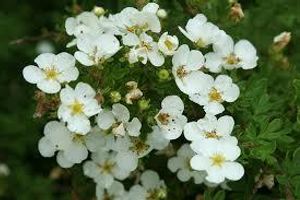
Harvesting Rules & Nuances: Thick, woody rhizomes of tormentil (Potentilla erecta) are dug up in autumn when tannin concentration reaches its annual peak. The raw material is cleaned of small roots, sliced into pieces, and dried rapidly.
Biochemistry & Properties:
-
Digestive Tract and Mucosa: The rhizome contains up to 30–35% condensed tannins, as well as flavonoids and ellagic acid. Data confirms that these compounds form a protective protein film over the gastric and intestinal mucosa, exerting potent anti-inflammatory, astringent, and bactericidal actions in cases of diarrhea, gastritis, and ulcers.
-
Endocrinology and Thyroid Function: Tormentil contains trace elements that support the normalization of functional thyroid status (in both hypo- and hyperthyroidism) while enhancing capillary network integrity.
HOME DECOCTION VS. STANDARDIZED EXTRACT: What Is the Difference?
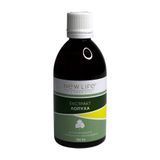
When you brew roots at home with boiling water, you get a basic water extraction. However, water alone cannot extract fat-soluble or complex lipophilic phytonutrients from plant material. Furthermore, maintaining a consistent dosage is nearly impossible: one cup may be overly concentrated while another is weak, and raw roots stored improperly at home can easily develop hidden mold.
Professional extract manufacturing utilizes circulatory percolation technology:
-
The extractant passes through carefully prepared raw material continuously, capturing the maximum percentage of active bio-compounds.
-
The resulting liquid extract achieves superior bioavailability, penetrating tissue cells and acting significantly faster than traditional teas or decoctions.
-
Convenience and Compliance: Formulated in 30 ml or 100 ml dropper bottles, it allows patients to maintain a consistent daily regimen at home, work, or while traveling.
-
Extended Shelf Life: Standardized liquid extracts maintain full potency for up to 36 months when stored in a cool place away from direct sunlight.
Botanical remedies work cumulatively. If you are addressing a chronic condition, taking a home brew for 2–3 days will not produce long-term therapeutic results. A systematic course lasting several weeks or months is required—a process made seamless with ready-to-use concentrated liquid extracts.
Summary Cheat Sheet: Autumn & Spring-Summer Medicinal Plants
| Plant / Extract Name | Plant Part & Harvest Window | Primary Health Benefits & Indications |
|---|---|---|
| Leaves (May–June) & Rhizome (September–November) | Hemoglobin boost, hemostatic support, and multivitamin intake, prostate protection, BPH prevention, normalization of urinary flow, and edema relief. | |
| Burdock Extract | Young Leaves (May–June) & 1st-Year Root (September–October) | Deep systemic detoxification, blood and lymph purification, pancreatic support, blood sugar regulation (via inulin), and uric acid clearance for gout, arthritis, and skin conditions. |
| Hawthorn Extract | Flowers with Leaves (May–June) & Berries (September–October) | Myocardial nourishment, improved coronary circulation, heart rhythm normalization, mild blood pressure reduction, vascular wall strengthening, and nervous system calming. |
| Rowan Extract (Red & Aronia) | Flowers & Leaves (May) & Berries (September–November) | Capillary and vascular wall fortification (Vitamins P & C), stabilization of blood pressure fluctuations, potent vitamin support, and stimulation of bile flow and digestion. |
| Valerian Extract | Herb/Leaves (June–July) & Rhizome with Roots (September–October) | Deep CNS sedation, improved sleep onset and quality, and antispasmodic action on gastrointestinal, vascular, and smooth muscle tissue. |
| Tormentil Extract (White / Galangal) | Herb & Leaves (May–June) & Rhizome (September–October) | Potent astringent and bactericidal action on gastric and intestinal mucosa (due to high tannin content), protection against ulcers and gastritis, thyroid function regulation, and capillary protection. |
Scientific Basis of this Article:
- Arctium L.
- Effects of Arctium lappa L. (Burdock) root tea on inflammatory status and oxidative stress in patients with knee osteoarthritis.
- Crataegus sanguinea Pall.
- Sorbus L.
-
Stinging Nettle (Urtica dioica) Roots: The Power Underground—A Review.
About the Author:
Vira Norenko is a nutritionist with a medical background, and valeologist with over 10 years of experience. She specializes in integrative nutrition and restoring the body through plant-based supplements and diet.
This article was prepared by a specialist with a medical background for educational purposes. The information provided is not a substitute for professional medical advice.