







|
Quantity
|
Out of stock
|
||
|
|
|||
|
|
|||
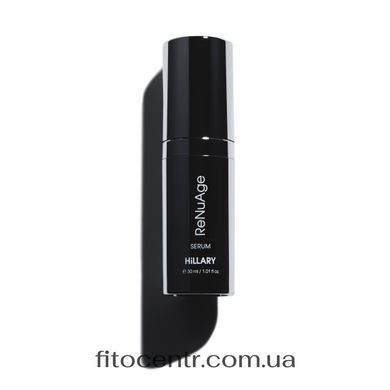
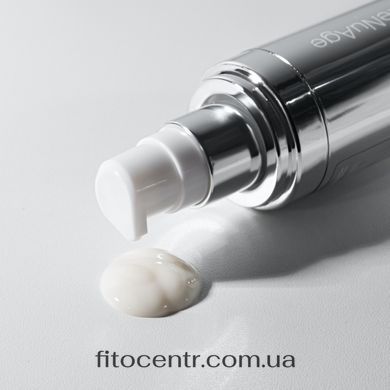
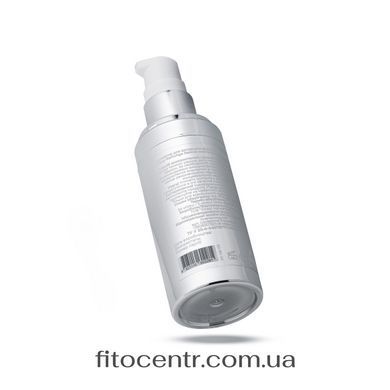
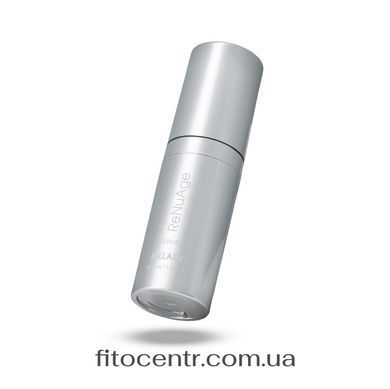
The serum is designed to combat all visible signs of premature skin aging . Its skin-restoring effect is achieved through a unique combination of active ingredients. The formula contains 0.1% active retinol , which stimulates cell regeneration, visibly reducing wrinkles and age spots. Niacinamide enhances the skin's barrier functions, increasing its ability to retain moisture, evening out skin tone, and improving elasticity. Hydrolyzed Sclerotium gum provides additional protection against external factors and prevents transepidermal water loss.
The serum will be especially effective for those looking for a comprehensive solution for skin rejuvenation, hydration, and protection in one formula.
Retinol is a form of vitamin A used in cosmetics to combat premature aging, acne, and uneven skin tone. It stimulates cellular regeneration, increases collagen production, and improves skin texture.
Key properties of retinol: 1. Anti-ageing effect: helps reduce wrinkles and improve skin firmness. 2. Control of excess oiliness: helps cleanse pores and regulate sebum production. 3. Evening the skin tone: helps reduce pigmentation and post-acne marks. 4. Supporting collagen production: helps make the skin more elastic. 5. Photosensitivity: retinol is recommended for evening use because it loses activity when exposed to light.
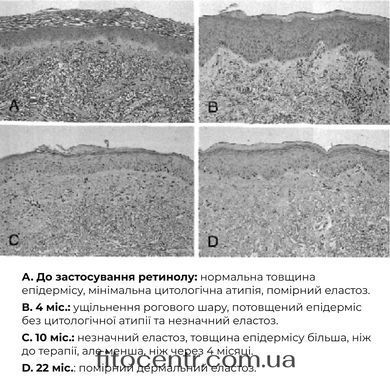
Retinoids have a complex effect on the epidermis, thickening it while also densifying the stratum corneum, making the skin smoother and more resistant to external influences. They reduce transepidermal water loss (TEWL), helping maintain optimal hydration levels. Additionally, retinoids stimulate keratinocyte proliferation, accelerating skin renewal, and increase glycosaminoglycan (GAG) levels, which aid in moisture retention. A key effect is the normalization of keratinocyte polarity, preventing their adhesion and the formation of keratin plugs.
At the molecular level, retinoids stimulate the expression of transglutaminase, involucrin, and filaggrin, strengthening the epidermal barrier. They also directly influence melanogenesis by regulating tyrosinase expression and other proteins involved in melanin synthesis, reducing hyperpigmentation. Retinoids activate aquaporin gene expression, enhancing glycerin absorption and hydration. Furthermore, they promote an even distribution of melanin, preventing excessive accumulation in basal layer cells.
Retinoids have a profound impact on the dermis, increasing collagen content in the papillary layer, improving skin structure and firmness. They stimulate the expression of key structural proteins such as collagen, fibronectin, and tropoelastin, ensuring the strength and elasticity of the dermal matrix. At the same time, retinoids inhibit the activity of matrix metalloproteinases – enzymes that degrade collagen – thereby slowing down the aging process.
Their action also aims to enhance the levels of type I, III, and VII collagen, which are essential for maintaining dermo-epidermal junction integrity. Additionally, retinoids increase glycosaminoglycan (GAG) content, supporting skin hydration and strengthening its structure. They improve microcirculation in the dermis, exhibit anti-inflammatory effects, and prevent keratinocyte clumping in hair follicles, which helps combat acne.
How to use retinol:
Start with low concentrations of retinol (0.01–0.1%) and gradually increase them to allow the skin to adapt. The best time for application is in the evening, as retinol is highly sensitive to light. During the day, using sunscreen (SPF) is essential to protect the skin from photodamage.
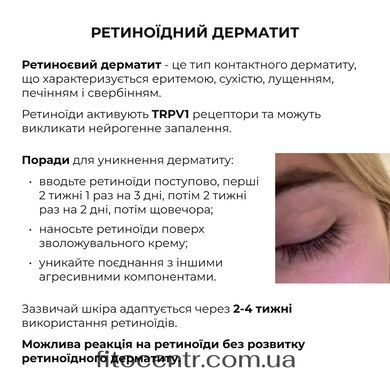
The “retinol ladder” method involves gradually introducing retinol into your skincare routine, helping to minimize side effects such as irritation, dryness, and retinoid dermatitis. Initially, apply retinol only once a week in the evening, as the skin needs time to adjust. Always apply it to dry skin after cleansing to reduce the risk of irritation.
After two weeks, increase usage to twice a week, closely monitoring your skin’s response. Mild redness, dryness, and peeling are normal signs of adaptation if they are not too severe. After 4–6 weeks, gradually progress to using retinol every other day. If your skin tolerates it well, you can eventually apply it every evening.
Usage: In the evening, apply a thin layer to clean, dry skin and allow it to absorb for 10–15 minutes. If necessary, follow with a moisturizer.