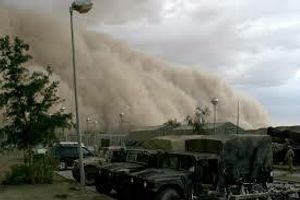

For years, the environmental situation in Ukraine has been undergoing colossal strain. Wildfires, smog from combat activities, and local chemical contamination have become a grim reality. When forests burn—especially in areas with elevated radiation levels—microscopic soot particles, toxic resins, and heavy metals are carried by smoke and wind over hundreds of kilometers.
Vira Norenko, a qualified nutritionist with a medical background, witnesses daily in her practice how environmental factors quietly yet systematically undermine human health. The bronchopulmonary system is the primary "airway gate" of our body. While we can consciously control our digestive system through diet, we cannot isolate ourselves from the air we breathe. That is why understanding how to build both internal and external defenses for the body is essential. In this article, you will discover:
- How can you tell if your body is affected by smoke and smog if you don't have a cough?
-
Why do fatigue, weakness, and sleep disturbances appear weeks after an environmental event?
-
What dangerous substances enter the bloodstream during wildfires?
-
How do natural herbal remedies and antioxidants help eliminate harmful toxins?
-
How can you protect the mucous membranes of your nose and throat before stepping outside?
THE HIDDEN THREAT OF SMOG: What Exactly Are We Inhaling and How Does It Work?
During wildfires, organic matter burns incompletely. A complex chemical "cocktail" rises into the air, consisting of several dangerous components:
-
Fine Ash and PM2.5 Particulates: Unlike larger dust particles caught in the nasopharynx, microparticles penetrate deep into the pulmonary alveoli and enter the bloodstream directly. Scientific research confirms that fine PM2.5 particulates trigger systemic inflammation and vascular issues.
-
Tar Resins and Carcinogens: Studies show that wood combustion products cause chronic irritation of the mucous membranes and increase the risk of neoplasms.
-
Carbon Monoxide ($CO$): Binds to hemoglobin 200 times more strongly than oxygen, blocking oxygen transport, which leads to tissue hypoxia and lactic acid accumulation.
-
Heavy Metals and Radionuclides (e.g., Strontium): During fires in areas with elevated radiation levels, toxic elements migrate along with airborne ash. Chemically similar to calcium, strontium accumulates in bone tissue once it enters the body.
Three Phases of Toxic Impact on the Body
THE MECHANISM OF THE "DELAYED EFFECT": Why Do Consequences Strike a Month Later?
Many believe: "If I didn't get sick during the first few days of smog, I'm in the clear." This is a dangerous misconception. When the respiratory system allows toxins to pass, the liver and lymphatic system step in. They work at full capacity trying to neutralize the poisonous substances.
However, after 3–4 weeks of continuous overload, body resources become depleted. Prolonged exposure to toxins and hypoxia triggers chronic asthenic syndrome and systemic inflammation. That is precisely why, a few weeks after an environmental hazard, a person may experience severe exhaustion, low energy, and sleep disturbances.
COMPREHENSIVE PROTECTION AND DETOXIFICATION SCHEME: Step-by-Step Protocol
To minimize damage from environmental hazards, a consistent, synergistic approach is required—ranging from direct lung support to cleansing the body's internal environment.
LEVEL 1. Direct Lung Protection, Regeneration, and Cleansing. Our lungs are among the first organs to come under attack. The primary goals here are to hydrate the mucous membranes, relieve bronchial spasms, and physically expel harmful particles.
-
Phyto-Soothing and Mucus Thinning (Mucilaginous Herbs):
-
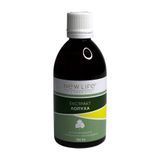
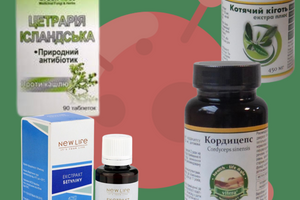
Icelandic Moss (Cetraria): Studies demonstrate that this plant contains record amounts of lichen acids and mucilage, which coat the bronchial lining with a protective film, reduce irritation, and inhibit pathogenic flora.
-
Eucalyptus and Marshmallow Root: Stimulate ciliated epithelium (the tiny "cilia" in the bronchi), physically sweeping out dirt, soot, and particles alongside phlegm.
-
Bronchoflor: Helps prevent dry spastic coughing.
-
-
Spasm Relief and Surfactant Restoration:
-
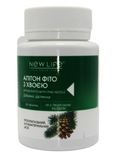
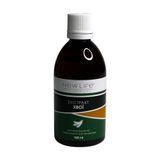
Pine Needle Extract and Apiton Phyto: Act as natural bronchodilators—expanding the airways and easing breathing.
-
Oil-Based Balms: Help restore the pulmonary surfactant (the lipid layer lining the alveoli), which gets destroyed by hot, dry air.
-
LEVEL 2. Lymphatic Cleansing and Gastrointestinal Tract Support (Sorption). Toxins that penetrate the lungs eventually enter the lymphatic system and the gastrointestinal tract.
-
Chitosan: According to research, it effectively binds heavy metals, resins, and toxic compounds.
-
Lymphatic Drainage Phyto-Complexes: Plant extract elixirs accelerate lymph flow, preventing stagnation.
LEVEL 3. Liver Support and Antioxidant Shield. The liver filters toxic metabolites from the blood, while antioxidants neutralize free radicals.
-
Milk Thistle and Artichoke Extracts: Restore hepatocyte cell membranes and improve bile flow.
-
Betulin and Agrimony Extract: Reduce inflammation and facilitate metabolite elimination.
-
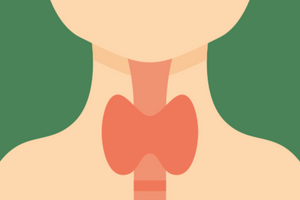
Selenium: Widely recognized in the scientific community as a primary natural antidote to heavy metals. Selenium blocks toxic elements from entering cells and protects the thyroid gland.
-
High-Dose Vitamin C: Strengthens vascular walls, making them less permeable to toxins, and reduces systemic inflammation.
-
Zinc: Restores the integrity of the respiratory tract epithelium. Additionally, burdock root extract stands out as one of the most powerful natural remedies for long-term blood and lymph purification.
LEVEL 4. Physical Barriers and Hygiene
-
External Mucosal Protection: Before stepping outside, apply Gel 39 Herbs to the nasal mucosa and exposed facial skin. It creates a physical film that traps dust and soot on the surface. Be sure to rinse it off with water upon returning indoors.
-
Nasopharyngeal Rinsing: Use nasal sprays containing colloidal silver or herbal balms for oral hygiene.
-
Indoor Air Moisture: Keep windows closed or cover them with damp sheets, and use humidifiers.
MEMORANDUM: Daily Detox Routine Schedule
First and foremost, you should rely on your symptoms and consider the specific nature and severity of the environmental hazard. However, the minimal action plan is as follows:
-
Morning (Lung and Digestive Cleansing):
-
A glass of warm water with Lymph Elixir.
-
Take a sorbent (Chitosan or Sorbeflor) 30 minutes before meals.
-
Lung Hydration: Take a soothing/mucilaginous agent (Icelandic Moss / Bronchoflor).
-
-
Throughout the Day (Organ System Protection and Detox):
-
Before going outside: Apply Gel 39 Herbs to the nasal mucosa.
-
After returning indoors: Rinse the nasopharynx with a colloidal silver spray and perform deep exhalations to help clear the lungs.
-
With meals: Take hepatoprotectors (Milk Thistle / Artichoke) + phyto-complexes for the lungs and blood purification (Pine Needle Extract, Burdock Root, Betulin).
-
-
Evening (Recovery and Antioxidant Shield):
-
Take Selenium and Zinc to neutralize heavy metal toxicity.
-
Calcium and Magnesium complexes (Cardioflor) help maintain vascular function, while maintaining physiological calcium levels prevents its replacement by radioactive strontium in bone tissue.
-
Enjoy a warm evening tea with Lung Elixir to relieve nighttime bronchial spasms.
-
So, our health is the result of conscious daily actions. We cannot instantly alter the environmental situation or halt the fires outside, but it is within our power to construct a robust protective barrier for our own bodies. Regular detoxification, liver support, mucosal defense, and addressing essential microelement deficiencies will allow you to maintain high energy levels and safeguard against chronic health conditions.
Scientific Basis of this Article:
- Exposure to Fine Particulate Air Pollution Is Associated With Endothelial Injury and Systemic Inflammation.
- Clearing the Air: Understanding the Impact of Wildfire Smoke on Asthma and COPD.
- Carbon Monoxide Poisoning.
- The Genus Cetraria s. str.—A Review of Its Botany, Phytochemistry, Traditional Uses and Pharmacology.
- Ion-Imprinted Chitosan Technology for Heavy Metal Ion Removal from Water and Wastewater: A Review on Recent Insights and Future Perspectives.
- Selenium in the treatment of heavy metal poisoning and chemical carcinogenesis.
About the Author:
Vira Norenko is a nutritionist with a medical background, and valeologist with over 10 years of experience. She specializes in integrative nutrition and restoring the body through plant-based supplements and diet.
This article was prepared by a specialist with a medical background for educational purposes. The information provided is not a substitute for professional medical advice.