When temperatures confidently surpass +30 °C (+86 °F), our body enters a high-stress operating mode. In our rush to cool down quickly, we often make typical mistakes that cause harm to the organism instead of bringing the desired relief.
How can you properly support your body during scorching days, protect your heart, and maintain high energy levels? In this article, Vira Norenko, nutritionist with a medical background, breaks down the key warnings, risk zones, effective health hacks, and dangerous mistakes in detail. Specifically:
THE PHYSIOLOGY OF HEAT: Why High Temperatures Exhaust the Body
When the thermometer climbs past +30...+35 °C (+86...+95 °F), the human body activates compensatory thermoregulation mechanisms. The primary goal of the hypothalamus (the brain’s climate control center) is to maintain internal core body temperature within a tight physiological range (~36.6–37.0 °C / 97.88–98.6 °F).

To achieve this, peripheral blood vessels dilate, blood flow to the skin increases, and sweating intensifies. However, if the ambient air is humid or excessively hot, sweat evaporation slows down dramatically. As a result, the heart is forced to work harder, the heart rate accelerates, and vital mineral salts are flushed out alongside sweat.
According to the World Health Organization (WHO), prolonged exposure to high temperatures significantly increases the risks of chronic disease flare-ups and can lead to heat exhaustion or life-threatening heat stroke.
TOP 5 Favorite Summer Mistakes We Make Every Day
Often, our attempts to cool down quickly turn into additional stress for our immune system. Let’s dive deeper into the most common ones.
1. Ice-Cold Showers and Iced Water. You return from outside where it is +36 °C (+97 °F) and immediately jump into an ice-cold shower or chug a glass of water filled with ice cubes.
-
What happens in the body: Research shows that sudden contact with extreme cold causes blood vessels to constrict instantly. The brain interprets this as a life-threatening cold shock and triggers thermogenesis—the production of internal body heat. As a result, 10 minutes after such a shower, you end up sweating even more profusely. Furthermore, a sharp temperature drop acts as a classic trigger for opportunistic pathogens (such as staphylococci and streptococci), leading to summer angina or pharyngitis.
-
The right approach: Drink room-temperature or slightly warm water. It stimulates natural thermoregulation and gently dilates capillaries without vascular shock. Showers should also be lukewarm or moderately warm—this helps the body dissipate heat efficiently without triggering blood vessel spasms.
2. Running a Fan in a Closed Room. When indoor temperatures reach +35 °C (+95 °F), running a fan behind closed windows turns the room into a convection oven.
-
What happens in the body: Hot air is simply re-circulated around the room. A major physiological study published in The Lancet Planetary Health demonstrates that above +35 °C, sweat evaporation can no longer compensate for the heat delivered by fan airflow. The streams of hot air act like a hairdryer: they rapidly dry out the skin and respiratory mucous membranes, accelerating dehydration, while core body temperature and heart rate continue to surge. An official statement from the U.S. Centers for Disease Control and Prevention (CDC) explicitly warns that using fans in closed spaces during extreme heat waves critically increases the risk of heat exhaustion.
-
The right approach: According to medical experts and guidelines from PreventionWeb, a fan is an effective tool for personal cooling only when indoor temperatures remain below the critical threshold. During peak heat, it should be used for forced ventilation instead: for instance, in the evening, face the fan outward toward an open window or doorway ("exhaust mode") to push out stagnant hot air and draw in cooler nighttime breezes.
3. Dangerous Temperature Drops from Air Conditioning. Walking in from outside at +35 °C (+95 °F) into a room where the AC is set to +16...+18 °C (+61...+64 °F) poses a severe challenge to your cardiovascular system.
-
What happens in the body: A temperature drop exceeding 5–7 °C (9–13 °F) triggers thermal shock. Clinical studies published in the International Journal of Environmental Research and Public Health (PMC) demonstrate that sudden transitions from extreme heat to artificial cold air activate the sympathetic nervous system, causing acute vascular spasms and a spike in blood pressure. Furthermore, prolonged exposure to a direct stream of cold air causes muscle hypertonia and spasms, often leading to localized inflammation of nerve fibers and soft tissues. These rapid fluctuations temporarily suppress mucosal barrier function and immunity, creating ideal conditions for acute inflammatory conditions (such as myositis, neuritis, or cystitis).
-
The right approach: To safeguard your blood vessels and immune health, the gap between outdoor temperatures and AC settings should not exceed 5–7 °C (9–13 °F). If it is +33 °C (+91 °F) outdoors, setting your thermostat to +25...+26 °C (+77...+79 °F) is optimal. This allows the body to adapt to the microclimate without stressing the autonomic nervous system.
4. Sugary Soda, Iced Coffee Drinks, and Beer. Attempting to quench your thirst with fizzy soda, sweetened iced tea, or cold beer offers only temporary, illusory relief.
-
What happens in the body: According to scientific data, high-sugar beverages increase osmotic pressure in the bloodstream, drawing water out of tissues and thickening the blood even further. Coffee and alcoholic drinks have a pronounced diuretic effect, accelerating dehydration several times over.
-
The right approach: Your primary source of hydration should be pure drinking water—optionally infused with lemon or mint—or unsweetened herbal infusions.
5. Tight Synthetic Clothing and No Sun Hat
-
What happens in the body: Synthetic fabrics trap air, creating a greenhouse effect around the body that hinders natural sweat evaporation. Going without a hat or cap under direct sunlight risks direct overheating of the brain's meninges (sunstroke).
-
The right approach: Choose loose-fitting clothing made from natural, breathable light-colored fabrics (linen, cotton, silk), and always wear a sun hat or cap.
Summary:
Action |
What We Feel? |
What Actually Happens? |
|---|---|---|
| Running a fan in a closed room | Cool breeze | Dry mucous membranes, "convection oven" effect at +35 °C |
| Ice-cold shower & iced water | Cooling relief | Vascular spasm, internal heating, sore throat risk |
| AC set to +16...+18 °C (+61...+64 °F) | Salvation | Thermal shock, soft tissue inflammation, cystitis flare-ups |
| Sugary sodas, iced coffee, beer | Thirst relief | Dehydration, blood thickening, sugar spikes |
| Tight synthetic clothing | Style / Fashion | Greenhouse effect, heat trapping |
HIGH-RISK GROUPS: Who Struggles the Most in Extreme Heat?
Heatwaves do not affect everyone equally. For a healthy person, high temperatures bring temporary discomfort, but for vulnerable groups, extreme heat poses a serious threat to life.
Research published in The Lancet Planetary Health demonstrates a clear correlation between heatwaves and increased hospital admissions among patients with cardiovascular and metabolic conditions.
1. Cardiovascular Diseases (Hypertension, CHD, Arrhythmia)
-
Mechanism: To dissipate heat, blood vessels dilate. To maintain blood circulation through this expanded vascular network, the heart is forced to contract more frequently. Sweating flushes out key electrolytes like potassium (K) and magnesium (Mg), which are vital for maintaining a stable heart rhythm. Simultaneously, fluid loss thickens the blood, creating favorable conditions for blood clot formation.
-
Warning Symptoms: Shortness of breath, chest pain, dizziness, irregular heartbeat (arrhythmia).
-
Herbal Support: Natural complexes based on hawthorn, motherwort, valerian, Baikal skullcap, and spiny restharrow. The herbal supplement Cardioflor contains a balanced blend of potassium, magnesium, and botanical extracts designed to strengthen heart muscle tissue and normalize blood pressure.
2. Diabetes Mellitus and Metabolic Disorders
-
Mechanism: Dehydration causes blood plasma glucose levels to spike. Furthermore, extreme heat can alter tissue insulin sensitivity. Many diabetic patients also suffer from neuropathy, which impairs sweat gland function and hinders the body's natural cooling mechanisms.
-
Safety Guidelines: Monitor blood sugar levels more frequently and store insulin in thermal bags (heat degrades insulin activity).
-
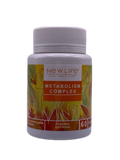
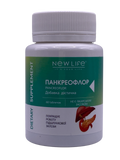
Herbal Support: Botanical products like Metabolism Complex and Pancreoflor, which support pancreatic function and help regulate metabolic balance.
3. Respiratory Diseases (Asthma, Chronic Bronchitis)
-
Mechanism: Hot, dry, dust-laden air irritates bronchial mucous membranes, triggering airway spasms and constriction.
-
Safety Guidelines: Use indoor air humidifiers and regularly irrigate nasal passages.
-
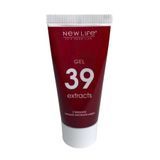
Herbal Support: Lung-targeted herbal formulations that help clear respiratory airways. For local mucosal protection, throat and nasal sprays (especially those containing colloidal silver) and restorative Gel 39 provide gentle topical defense.
4. Seniors and Infants
-
Mechanism: In older adults, the physiological sensation of thirst diminishes, leading to stealth dehydration. In infants, thermoregulation centers in the brain are not yet fully formed—temperatures inside a covered stroller can rapidly spike to +50 °C (+122 °F), leading to swift heatstroke.
-
Safety Guidelines: Offer water to elderly relatives on a fixed schedule (a few sips every 30–40 minutes) without waiting for them to ask. For infants: never cover strollers with blankets, towels, or cloths. Use designated sunshades or umbrellas and restrict walks to cooler hours.
-
Herbal Support: Should be tailored individually, taking into account the person's age and co-existing health conditions.
Summary:
Category |
Primary Heat Risk |
|---|---|
|
Cardiovascular Diseases |
Blood thickening, loss of K & Mg, increased cardiac strain (hypertension, CHD) |
| Diabetes Mellitus | Altered insulin sensitivity, blood concentration, impaired sweating |
| Chronic Lung Diseases | Dry dusty air, bronchial spasms, oxygen deprivation (asthma, bronchitis) |
| Children & Seniors | Immature thermoregulation (infants) or loss of thirst sensation (seniors) |
1. Natural Cellular Energy and Protection: Succinic Acid
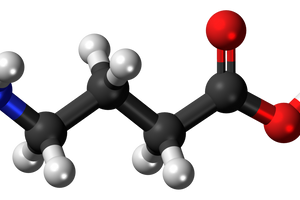
In extreme heat, blood thickens, oxygen delivery to tissues slows down, and we feel sluggish, dizzy, and exhausted. According to research, succinic acid acts as a natural adaptogen: it enables body cells to absorb oxygen efficiently even in stuffy environments and speeds up toxin elimination. Unlike stimulants like coffee that strain the heart, it provides gentle, restorative cellular support..
CRUCIAL for High-Risk Groups (Hypoxia, Vascular Sensitivity, Seniors): If you struggle with stuffy air, experience blood pressure swings, or feel depleted in the sun, taking succinic acid (or herbal complexes containing it) helps protect tissues from oxygen deprivation and makes heat adaptation much smoother.
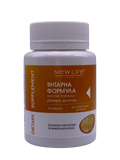
TIP: Dissolve 1–2 tablets of succinic acid in 250–500 ml (approx. 1–2 cups) of room-temperature or warm water (you can add a lemon slice for taste). Drink this solution 1–2 times a day after meals. It acts as a gentle hydrating cell tonic, aiding oxygen uptake without putting extra stress on your heart
2. The "Japanese Air Conditioner" (Wet Neck Towel)
A brilliant, zero-cost hack long used in Asia. Take a light cotton scarf or small towel, moisten it with cool (not ice-cold!) water, wring it out, and wrap it around your neck. Major blood vessels feeding the brain pass right through this area. As the water evaporates, it gently cools the circulating blood, providing instant relief without any risk of chilling your throat.
TIP: To gain extra relaxation and a reflex cooling effect, add a few drops of mint or sage essential to the water before soaking the towel. Peppermint triggers cold skin receptors, creating a powerful feeling of freshness and easing vascular head tension, while sage clears breathing pathways and offers light antiseptic protection in hot, stuffy weather.
3. Herbal Sprays for Mucous Membranes
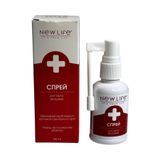
In hot weather, dust and allergens settle rapidly on dry respiratory mucous membranes. Regular irrigation of the mouth and nasal passages with sprays containing botanical extracts and colloidal silver creates a protective barrier against viruses and bacteria.
Ultimately, extreme heat is a temporary challenge for our bodies, and our primary goal is to support its natural self-cleansing and cooling systems. Listen to your body, pay attention to the first signs of fatigue, back your heart and blood vessels with proven natural remedies, and avoid radical experiments with ice-cold water.
Scientific Basis of this Article:
- World Health Organization. Heat and health. who.int.
- Human physiological responses to cold exposure: Acute responses and acclimatization to prolonged exposure.
- A critical review of the effectiveness of electric fans as a personal cooling intervention in hot weather and heatwaves.
- When is it too hot to use a fan?
- When it’s too hot for fans.
- Cardiac Parasympathetic Withdrawal and Sympathetic Activity: Effect of Heat Exposure on Heart Rate Variability.
- The Ergogenic Potential of Succinic Acid in Exercise Performance and Post-Exercise Recovery: A Systematic Review.
- Effect of heatwaves on daily hospital admissions in Portugal, 2000–18: an observational study.
About the Author:
Vira Norenko is a nutritionist with a medical background, and valeologist with over 10 years of experience. She specializes in integrative nutrition and restoring the body through plant-based supplements and diet.
This article was prepared by a specialist with a medical background for educational purposes. The information provided is not a substitute for professional medical advice.