
Inside the human digestive tract lies an entire microscopic universe—trillions of bacteria, fungi, and viruses that together form the gut microbiome.
For a long time, medicine viewed bacteria solely as a threat; however, modern research proves the opposite. According to a large-scale study published in Nature, the collective metagenome of the microbiome contains 100 times more unique genes than the human genome and plays a critical role in metabolism, immunomodulation, and nervous system regulation. Our expert, Vira Norenko, a nutritionist with a medical background, broke down the key questions regarding the microbiome in detail:
FROM BIRTH TO ADULTHOOD: How Our Microbiome Is Formed
The formation of the microbiome begins before birth and reaches its most crucial milestone during delivery. Passing through the birth canal, the newborn receives their first bacterial "passport." Subsequently, breastfeeding enriches the infant's gut with valuable bifidobacteria and human milk oligosaccharides, laying the foundation for a robust immune system.
If this process is disrupted in the early stages (for instance, due to C-section delivery, lack of breastfeeding, or maternal infections), the child faces an increased risk of colics, allergic reactions, digestive disorders, and dermatitis.
In adulthood, the composition of the gut microbiota remains dynamic. Since the digestive tract begins in the oral cavity, the state of this internal biocenosis is influenced even by the daily hygiene products we use. Exposure to harsh synthetic components found in household chemicals and personal care products exerts a cumulative effect that can irritate mucous membranes and disrupt the balance of beneficial flora.
MICROBIOME: What Is It and How Does It Affect Immunity?
The gut is the human body's primary immune organ. Approximately 70–80% of all immunocompetent cells are concentrated in the gut-associated lymphoid tissue (GALT).
The interaction between the microbiome and the immune system occurs on several levels:
-
"Training" immune cells: Beneficial bacteria (predominantly Lactobacillus and Bifidobacterium strains) train the immune system to distinguish safe substances and self-tissues from dangerous viruses and pathogens.
-
Competitive exclusion: Friendly microbiota densely coats the intestinal walls, leaving no space or nutrients for the proliferation of pathogenic microorganisms and fungi.
-
Synthesis of short-chain fatty acids (SCFAs): By fermenting fiber, bacteria produce butyrate (butyric acid), acetate, and propionate. These substances reduce the level of systemic inflammation in the body.
DYSBIOSIS (DYSBACTERIOSIS): Causes and Key Symptoms
When the balance between beneficial and pathogenic microorganisms is disrupted, dysbiosis (dysbacteriosis) occurs. It is not an isolated diagnosis, but rather a pathological state that serves as a background for the development of many diseases.
Main causes of dysbiosis:
-
Uncontrolled or prolonged antibiotic therapy: Antibiotics destroy pathogens along with beneficial flora, leaving the gut unprotected.
-
A diet rich in refined foods: High consumption of sugar, white flour, yeast pastries, and commercial sauces creates an ideal environment for fermentation and the proliferation of fungi (particularly Candida).
-
Chronic stress: Elevated cortisol levels disrupt motility and decrease the production of protective mucus.
-
Impaired bile secretion and enzymatic function: Bile acts as a natural antiseptic. During bile stasis or low stomach acid, conditions are created for pathogen proliferation in the small intestine.
Primary symptoms indicating dysbiosis:
-
Gastrointestinal: Bloating, flatulence, feeling of heaviness after eating, constipation, or irregular bowel movements.
-
Dermatological: Atopic dermatitis, eczema, acne breakouts, psoriasis.
-
General state: Chronic fatigue, frequent colds, intense cravings for sweets and simple carbohydrates. Furthermore, research confirms a direct link between disrupted gut microbiota composition and the development of metabolic syndrome, insulin resistance, and excess weight.
LEAKY GUT SYNDROME: Formation and Connection to Autoimmune Conditions
Prolonged inflammation and dysbiosis lead to a condition known in the scientific community as increased intestinal permeability (or "leaky gut syndrome"). The intestinal wall consists of a single layer of epithelial cells held together by tight junctions. During inflammation, these junctions break down.
Through these microscopic gaps:
-
Undigested protein molecules, bacterial toxins (lipopolysaccharides), and allergens enter the systemic bloodstream →
-
Immune hyperactivation in response to these factors forces the immune system to operate in a constant attack mode →
-
Over time, the exhausted immune system loses its ability to clearly distinguish self-tissues, significantly increasing the risk of developing autoimmune processes (such as rheumatoid arthritis, autoimmune thyroiditis, etc.).
GUT–BRAIN AXIS: Connection to Anxiety and Depression
The gut and the central nervous system are connected via the vagus nerve (n. vagus) and shared blood circulation. Research refers to this interaction system as the "gut–brain axis." The microbiome actively participates in the synthesis of key neurotransmitters:
-
Serotonin: Up to 90% of serotonin is synthesized in the gut. Although it works locally on motility and immunity, the microbiome regulates levels of tryptophan—the raw material the brain uses to produce its own serotonin.
-
GABA (gamma-aminobutyric acid): The primary inhibitory neurotransmitter responsible for calmness and anxiety regulation.
When putrefaction and fermentation processes dominate in the gut, toxic metabolic byproducts of pathogens accumulate in the body. This can trigger chronic neuroinflammation, which clinically manifests as unprovoked anxiety, insomnia, burnout syndrome, and depressive states.
Therefore, the microbiome influences a wide range of factors, from immunity to the nervous system. For clarity, we have compiled a comparative overview of GI tract conditions:
MICROBIOME RESTORATION: Action Plan and Natural Support
Restoring the gut microbiota requires a systematic approach that includes dietary adjustment, digestive support, and repopulating the gut with beneficial strains.
-
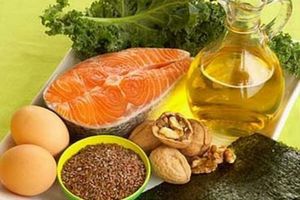
Dietary Adjustment (Discontinuing Support for Pathogenic Flora): Reduce or completely eliminate added refined sugar, commercial sauces, white flour products, and food with high levels of artificial additives. Increase the proportion of whole vegetables, leafy greens, and fermented foods.
-
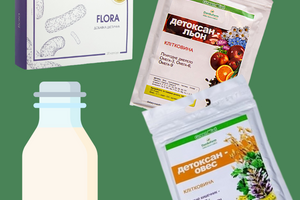
Introducing the Base Pair: Probiotic + Fiber (Building a Beneficial Population): Take a course of probiotic complexes to enrich the gut with Lactobacillus and Bifidobacterium, along with a daily dose of plant fiber or meal/flaxseed powders serving as a nutrient medium. Practical option (eobiotic dinner): One hour before sleep, have a glass of kefir (or plant milk / water) with a serving of plant meal/fiber and a probiotic.
Fiber (Dietary Fiber): The primary prebiotic—food for beneficial microbiota. It is not digested by stomach enzymes; instead, it reaches the large intestine, where it is fermented by bacteria. The daily recommended intake of fiber for adults is 30–35 grams.
-
Bile Flow and Digestive Enzyme Support (Creating an Optimal Environment): To maintain normal pH levels and natural disinfection of the digestive tract, botanical extracts (artichoke, milk thistle, agrimony) and enzyme complexes are used. This helps break down the biofilms of pathogenic microorganisms.
-
Phytobiotic Support (For Tendency to Candidiasis or Frequent Inflammation): When necessary, natural botanical extracts with antifungal and antibacterial properties are applied.
Natural Remedies for Microbiome Support and Restoration:
Category / Product Name |
Primary Purpose and Action |
How It Works for GI Health |
|---|---|---|
| Probiotic "Flora" |
Repopulating the digestive tract with friendly microbiota |
Enriches the body with concentrated strains of live Lactobacillus and Bifidobacterium, suppressing pathogenic microorganisms. |
| Plant Fiber and Seed Meals |
Prebiotic support and stimulation of peristalsis |
Serve as daily "food" for beneficial bacteria, support butyrate synthesis, and mechanically cleanse the intestines. |
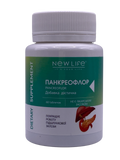
| "Pancreoflor" | Support of GI enzymatic function | Improves the breakdown of proteins, fats, and carbohydrates, prevents putrefaction, and breaks down pathogen biofilms. |
| Artichoke, Milk Thistle, and Agrimony Extracts | Bile flow stimulation and liver protection | Bile acts as the gut's natural antiseptic; its proper flow prevents the proliferation of pathogenic bacteria. |
| Kawaratake Mushroom Extract | Natural antifungal and immunomodulatory support | Suppresses overgrowth of fungi (particularly Candida) and strengthens local and systemic immunity. |
| Eco-Friendly Personal Care (Toothpastes, Dish Soap, etc.) | Protection of the upper digestive tract |
Free from harsh synthetic compounds, helping to prevent toxic load on the mucous membranes. |
Scientific Basis of this Article:
- Structure, function and diversity of the healthy human microbiome.
- Role of gut microbiota in the pathogenesis of metabolic syndrome: an updated comprehensive review from mechanisms to clinical implications.
About the Author:
Vira Norenko is a nutritionist with a medical background, and valeologist with over 10 years of experience. She specializes in integrative nutrition and restoring the body through plant-based supplements and diet.
This article was prepared by a specialist with a medical background for educational purposes. The information provided is not a substitute for professional medical advice.