
In autumn and winter, the strain on the immune system increases significantly. Colder weather, the start of the school and kindergarten year, and prolonged stays in cool or excessively dry rooms substantially raise the risk of acute respiratory viral infections (ARVIs). In most cases, acute rhinitis resolves within 7–10 days. However, if the process drags on for months or years, a person gets used to living with a constantly congested nose.
Chronic runny nose, sinusitis, enlarged adenoids, and the sensation of a "lump" in the throat are not isolated local problems. These are symptoms signaling a deep imbalance in the body. In this article, Vira Norenko — a nutritionist and vaeologist with a medical background — breaks down a range of key questions in detail:
- Why is the nose constantly congested, even when there is no obvious cold?
-
Is it possible to cure grades 1–3 adenoids in a child without surgical intervention?
-
Why does chronic sinusitis return after courses of pharmacy antibiotics?
-
What should you do if mucus constantly drains down the back of the throat, causing a morning cough?
-
How can you boost a child's local immunity during kindergarten or school attendance in the autumn-winter period?
WHY DO NASAL CONGESTION AND CHRONIC NASOPHARYNGEAL INFLAMMATION OCCUR?
The nasal cavity is the body’s first line of defense. The nasal mucosa, lined with ciliated epithelium, traps and neutralizes viruses, bacteria, dust, and allergens using a specialized protective secretion. When this mechanism breaks down, chronic inflammation develops.
Key Risk Factors:
-
Incompletely treated ARVIs and acute rhinitis: frequent transition of the infection into a latent (hidden) form.
-
Toxic and parasitic load: accumulation of toxins, overload of the lymphatic system, and the presence of chronic foci of infection deplete immunity.
-
Allergic reactions: chronic sensitization triggers mucosal edema (swelling).
-
Unfavorable microclimate: excessively dry or polluted air, smoke, and a lack of regular ventilation.
-
Anatomical features: deviated nasal septum, polyps, cysts, or the consequences of injuries. If a runny nose persists for a long time and does not respond to correction, be sure to consult an otolaryngologist (ENT specialist) to rule out structural defects of the nasal cavity.
-
Uncontrolled use of vasoconstrictor drops (decongestants): according to research, using such medications for more than 5–7 days causes drug dependency.
IMPORTANT: It is possible to break the dependency on vasoconstrictor drops in drug-induced rhinitis through a gradual withdrawal process combined with simultaneous restoration of the nasal mucosa.
The gentlest approach is the "one nostril" method, where you stop using drops in one nostril first, allowing it to adapt. Once breathing is restored in that nostril, you completely discontinue the medication for the second one. To relieve swelling, hydrate, and regenerate capillaries, chemical decongestants are replaced with herbal oil balms, soothing phyto-gels, and saline rinses. It is also important to maintain indoor humidity levels at 50–60%, follow a proper hydration regime, and, if necessary, incorporate a course of herbal remedies.
BARRIER PROTECTION AND QUICK RELIEF AT THE FIRST SYMPTOMS
To stop an infection right at the threshold, the nasal mucosa must remain moisturized and protected. Being in crowded places, public transport, or children's groups requires creating a physical and antiseptic barrier:
-
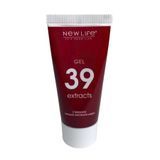
Creating a protective phyto-barrier: Applying a small amount of "39 Extracts Gel" or "Nasal Balm" to the inner surface of the nostrils before leaving home creates a thin film. It blocks the entry of viruses and bacteria, prevents the mucosa from drying out during the heating season, and nourishes the capillaries.
-
Internal immune support: To strengthen overall body resistance during the autumn-winter period, it is beneficial to take plant-based adaptogens — such as Betulin Extract, whose antiviral and immunomodulatory activity has been confirmed by research.
-
Hygienic sanitation: Upon returning home, make it a rule to rinse the nasal cavity with saline solutions and gargle with herbal decoctions (calendula, chamomile, string/bur-marigold) or diluted Oral Rinse.
IN-DEPTH ANALYSIS OF CHRONIC NASOPHARYNGEAL CONDITIONS
1. Adenoids: The Myth of a "Children's Problem" and Characteristics in Adults. Adenoids (the pharyngeal tonsil) are a normal accumulation of lymphoid tissue at the roof of the nasopharynx, serving as the body's first immune barrier against viruses and bacteria. Adenoiditis is commonly considered an exclusively pediatric condition because between the ages of 8 and 12, as the immune system matures, this tissue undergoes natural physiological involution (shrinking and atrophying).
However, adenoid hypertrophy also occurs in adults. If anatomical involution did not take place, or if there is a chronic focus of inflammation in the body, adenoid tissue can enlarge or remain in a state of persistent swelling.
Causes and Symptoms of Adenoiditis in Adults:
-
Root causes: Chronic allergic rhinitis, improperly treated sinusitis, toxic overload of the lymphatic system, as well as latent viral infections (such as the Epstein-Barr virus).
-
Characteristic symptoms: Persistent nasal congestion that is not relieved by standard drops; continuous drainage of mucus down the back of the throat; nighttime snoring or sleep apnea; a sensation of a "foreign body" or lump deep in the nasopharynx.
Adenoids in Children: Why Surgery Is Not Always the Solution. In childhood (between ages 2 and 7), the immune system is just getting acquainted with the surrounding world, meaning the pharyngeal tonsil operates under an increased workload. As a result of frequent ARVIs and a lack of complete recovery, the tonsil tissue pathologically hypertrophies and obstructs the child's airway.
Symptoms of Enlarged Adenoids in Children:
-
The child constantly breathes through the mouth (mouth remains partially open even during the day);
-
Loud breathing, snoring, or breath pauses during sleep;
-
Nasal speech tone ("talking through the nose");
-
Frequent, lingering colds and persistent coughing (especially in the morning due to mucus drainage);
-
Predisposition to recurrent otitis media (middle ear infections) and hearing loss;
-
Development of "adenoid facies" (facial structure changes) and malocclusion (bite issues).
Surgical removal eliminates only the mechanical barrier, but it fails to address the underlying root cause — systemic overload of the lymphatic system, chronic infection, and the parasitic factor. That is why, without comprehensive correction, adenoids frequently regrow.
IMPORTANT: According to studies, in many cases involving grades 1–2 adenoids (and in the absence of acute surgical indications for grade 3), comprehensive conservative therapy helps reduce edema and shrink tissue volume, as this is inflamed lymphoid tissue capable of regressing. The main objective of such therapy is not merely to alleviate symptoms, but to eliminate chronic focal inflammation and reduce the overall toxic-lymphatic burden on the child's body. A comprehensive herbal program can effectively assist in this process.
Additionally, supporting adequate hydration, optimizing the home microclimate (humidification and regular ventilation), and strengthening local immunity allows for a significant reduction in swelling and tonsil size, fully restoring the child's free nasal breathing.
A Comprehensive Approach to Health Recovery in Adenoiditis:
-
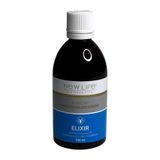
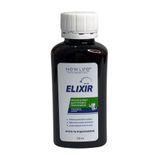
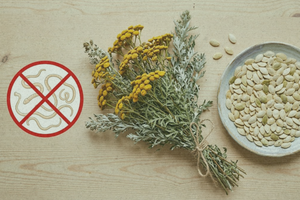
Lymphatic Cleansing and Anti-parasitic Protection: The use of phyto-complexes ("Elixir for the Lymphatic System", "Anti-parasitic Elixir") helps reduce the toxic burden on the lymph.
-
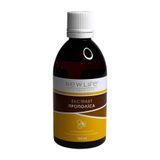
Local Sanitation: Regular alternating use of "Nasal Balm" and diluted extracts of Propolis or Celandine to eliminate swelling and soothe local inflammation.
-
Course-based Approach: The total duration of the wellness program ranges from 1 to 3–6 months.
2. Sinusitis (Maxillary Sinusitis): The Danger of Inconsistent Treatment and Antibiotic Resistance. Sinusitis (maxillary sinusitis) is an inflammation of the mucous membrane lining the maxillary sinuses. It is accompanied by feelings of heaviness, pressure, and pain in the cheeks and forehead area, headaches when bending forward, a decreased sense of smell, and thick nasal discharge.
The primary cause of acute sinusitis turning into a chronic condition is incompletely treated infections, prolonged use of vasoconstrictors, and the haphazard use of synthetic antibiotics.
Chronic sinusitis frequently recurs after courses of synthetic antibiotics primarily because these drugs suppress symptoms and temporarily kill sensitive bacteria, but they do not eliminate the deep underlying causes of inflammation — impaired sinus drainage, mucosal swelling, and local immune deficiency.
Furthermore, research indicates that the uncontrolled or improper use of such drugs triggers the development of antibiotic resistance, causing pathogenic microflora to mutate and become immune to treatment. At the same time, synthetic antibiotics disrupt the natural microbiome of the gut and mucous membranes, causing dysbiosis and further draining the immune system. Consequently, pathogenic microorganisms, fungal infections, or the biofilms they form inside the paranasal sinuses quickly reactivate at the slightest hypothermia or viral attack.
Unlike synthetic drugs, natural plant extracts act comprehensively without inducing microbial resistance or suppressing friendly microflora. Recommended Products:
-
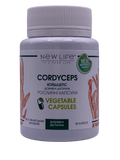
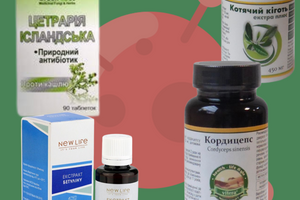
Cordyceps and Kawaratake — Higher medicinal mushrooms possessing potent antiviral, antibacterial, and immunomodulatory properties.
-
Propolis Extract — A broad-spectrum natural antibiotic with pronounced anti-inflammatory action.
-
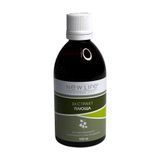
Iceland Moss Extract and Ivy Extract — Contain lichen acids effective against bacterial and fungal flora.
-
Eucalyptus Extract and Calendula Extract — Provide strong antiseptic action and promote mucosal regeneration.
3. Post-Nasal Drip Syndrome. A widespread condition in which a patient complains of constant throat tickling, a morning cough, and a "lump" sensation, even though their lungs and bronchi are completely healthy. The source of inflammation is located in the nasopharynx: secretions do not exit through the nose but constantly drain down the posterior pharyngeal wall, irritating cough receptors.
Action Plan for Post-Nasal Drip:
-
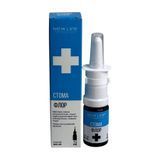
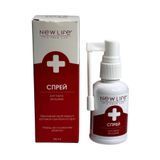
Combined Treatment of Nose and Throat: Simultaneous application of local remedies for the nasal cavity ("Nasal Balm", "39 Extracts Gel") and pharyngeal sanitation ("Stomaflor", "Throat Spray").
-
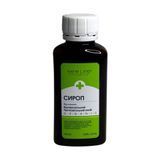
Thinning and Clearing Mucus: Utilizing plant-based mucolytics ("Ivy Extract", "Cough Syrup").
-
Relieving Irritation: Dissolving lozenges ("Medok with Propolis") and gargling with "Oral Rinse" to eliminate dryness.
Comparative Overview of Health Management Approaches:
Condition / Issue |
Standard Symptomatic Approach |
Comprehensive Phytotherapy Approach |
Direction of Herbal Correction (Types of Remedies) |
|---|---|---|---|
| Acute Runny Nose (Onset) |
Vasoconstrictor drops |
Barrier protection & antiviral plant action | Botanical phyto-gels, oil balms, adaptogens |
| Adenoids | Surgical removal (adenoidectomy) | Lymphatic cleansing, anti-parasitic program, local herbal drops | Lymphoprotectors, herbal anti-parasitic complexes, antiseptic extracts |
| Chronic Sinusitis | Synthetic antibiotics, sinus puncture | Natural antibiotics, microbiome restoration, course-based cleansing | Higher medicinal mushrooms, natural phytoncides & antiseptics |
| Post-Nasal Drip | Synthetic bronchitis syrups | Simultaneous nasopharyngeal sanitation + plant-based mucolytics | Herbal throat sprays, natural mucus thinners (mucolytics) |
Remember: a chronic process takes months or years to form. Therefore, a complete herbal program (lymphatic cleansing + local sanitation + natural phyto-antibiotics) should last between 1 and 3 months.
Scientific Basis of this Article:
About the Author:
Vira Norenko is a nutritionist with a medical background, and valeologist with over 10 years of experience. She specializes in integrative nutrition and restoring the body through plant-based supplements and diet.
This article was prepared by a specialist with a medical background for educational purposes. The information provided is not a substitute for professional medical advice.