
Two lines on a test mark the beginning of an amazing 9-month transformation. Along with the joy, expectant mothers are often overwhelmed by a barrage of conflicting advice: "eat for two," "don't take vitamins," or "completely cut out salt."
How can you separate myths from evidence-based nutrition? Our nutritionist with a medical background, Vira Norenko, has broken down a support algorithm based on current clinical practice and modern research. She also answered the most frequently asked questions:
- Which vitamins and minerals should be taken during the first trimester?
- How to get rid of morning sickness (toxemia)?
- Should pregnant women take Omega-3?
- Is it true that pregnant women should "eat for two"?
- Is it worth taking calcium during pregnancy?
- How to deal with swelling and constipation in late pregnancy?
- What vitamins and supplements should be taken throughout pregnancy? Summary table by trimester.
FIRST TRIMESTER (WEEKS 1–13): A Time for Gentle Support
The first three months are a period of incredibly rapid cell division. The heart, nervous system, and limbs are being formed. The golden rule here is minimalism and caution. The fetus's liver is not yet capable of filtering excess substances, so the body needs only the most essential protection.
The Essential First-Trimester Toolkit:
- Methylfolate (the active form of folic acid): Critically important for preventing neural tube defects. The CDC emphasizes that sufficient folate levels significantly reduce these risks.
- B-Vitamins (specifically folate and B6): Essential for the formation of the fetal nervous system.
- Iodine and Vitamin D3: The "basic armor" for the mother's immune system and the child's endocrine system.
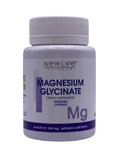
- Magnesium: The uterus is a muscular organ. As it grows, physiological tension occurs. Magnesium gently relaxes smooth muscle, improves sleep, and reduces anxiety. The optimal dosage is 300–400 mg in the evening.
Morning Sickness: Causes and Relief
Morning sickness often occurs when the liver and gallbladder cannot adapt quickly to the new hormonal background.
HOW TO OVERCOME IT: The American College of Obstetricians and Gynecologists (ACOG), in their official guidelines (Clinical Practice Guideline No. 2), recommends Vitamin B6 (pyridoxine) or its combination with ginger extract as a first-line treatment. Natural vitamins are preferred, as synthetic forms may aggravate nausea.
Practical Tips:
- Mint extract (alcohol-free and sugar-free) safely reduces nausea and relaxes the stomach. The effectiveness of peppermint oil in reducing nausea during pregnancy is confirmed by clinical trials.
- Gentle Detox: Harsh antiparasitic cleanses are forbidden during pregnancy! However, you can support the liver with safe, non-alcoholic herbal extracts (e.g., burdock) to ensure regular bowel movements.
PRO-TIP: Nausea is often triggered by a drop in blood sugar overnight. Before getting out of bed, eat a few almonds or a piece of dry bread/crackers. This will stabilize your blood sugar. Avoid coffee and store-bought juices on an empty stomach — these are strong triggers.
SECOND TRIMESTER (14–27 WEEKS): The Golden Period and DHA
Energy returns, and the baby's skeleton, brain cortex, and retinas are developing rapidly.
The Key Nutrient of the Second Trimester: Omega-3 (DHA)
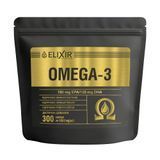
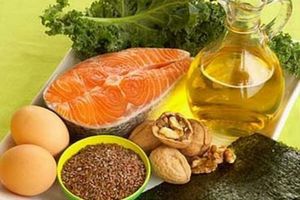
The development of the fetal brain is primarily the construction of fatty tissues, for which DHA (docosahexaenoic acid) is absolutely critical. This nutrient directly influences the child’s future cognitive development, visual acuity, and attention span.
Furthermore, Omega-3 supports the elasticity of the mother’s blood vessels and serves as an effective preventative measure against fetal hypoxia. When choosing an Omega-3 supplement, always pay close attention to the purity and quality of the oil—look for a natural, clean scent of fresh fish oil.
International medical protocols and experts from the European Food Safety Authority (EFSA) officially recommend that pregnant women take a minimum of 200 mg of pure DHA daily, in addition to their standard adult Omega-3 intake. Moreover, clinical studies confirm that maintaining adequate DHA levels throughout the second and third trimesters significantly reduces the risk of preterm birth.
CRITICAL: Stop taking Omega-3 2–3 weeks before your expected due date. It thins the blood, which helps prevent placental thrombosis during pregnancy, but normal blood clotting is necessary during labor to prevent hemorrhaging.
Debunking Myths About Calcium and Nutrition:
- Myth 1: "You shouldn't take calcium because it will make the baby's bones too hard, making labor more difficult." This is a dangerous misconception. Modern clinical screenings reveal a widespread calcium deficiency in women, which is further exacerbated by the use of phosphate-based household products, coffee consumption, and certain medications. If a mother does not supplement calcium, the fetus will inevitably draw it from her teeth and bones. This leads to enamel destruction, hair loss, and early-onset osteoporosis in the mother.
IMPORTANT RULE: Calcium and magnesium are antagonistic substances; they compete for absorption. Therefore, they must be separated by time — take your calcium in the morning and your magnesium in the evening.
-
Myth 2: "You need to eat for two." Doubling your portions of soup or indulging in cakes is unnecessary. According to WHO recommendations and international studies, a pregnant woman in her second trimester needs only about 340 extra calories per day—this is equivalent to one quality snack. Instead of sweets and refined carbohydrates, prioritize high-quality protein (such as eggs, fish, and lean meat). Protein acts as a transport vehicle for essential nutrients, supports placental development, and protects against anemia.
THIRD TRIMESTER (Weeks 28–40): The Final Stretch and Preventing Edema
The baby is gaining weight rapidly, pushing against the stomach (often causing heartburn) and compressing pelvic blood vessels, which can lead to edema (swelling) and constipation.
1. Focus on Circulation
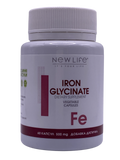
During the third trimester, a woman's blood volume increases by 40–50%, leading to physiological hemodilution. If iron levels drop too low, it can lead to fetal hypoxia and uterine inertia during labor. For supplementation, it is best to use mild, non-toxic forms, such as iron bisglycinate (chelate), which is highly bioavailable and less likely to cause constipation. Clinical studies demonstrate that iron bisglycinate has significantly higher bioavailability and causes far fewer gastrointestinal side effects compared to traditional ferrous sulfate.
2. Managing Edema
Edema has a variety of causes: physical compression of vessels by the fetus, a deficiency in pure water intake, protein deficiency in the diet (which lowers blood oncotic pressure, causing fluid to leak into tissues), and an excess of simple sugars, baked goods, and salt, all of which cause fluid retention.
The most common mistake is restricting water intake. When you stop drinking, the body goes into a "panic mode" and starts hoarding every drop in the interstitial space, which only exacerbates swelling. Clean, warm water (at body temperature, at least 1–1.5 liters per day) is essential for liver detoxification and normal bile flow.
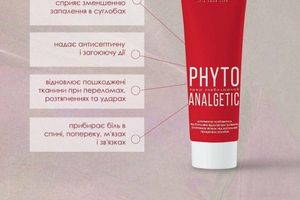
IT IS CRITICAL during this period to support blood vessels and lymphatic drainage (especially if the woman has a predisposition to varicose veins). It is advisable to use natural venotonics based on horse chestnut and rutin (pine or chestnut extracts), as well as safe, plant-based topical ointments that quickly relieve fatigue and heaviness in the legs. Modern clinical reviews confirm the efficacy of horse chestnut extract in minimizing edema and symptoms of chronic venous insufficiency.
3. Constipation
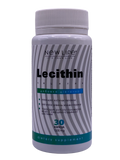
To combat constipation (since high progesterone levels slow down peristalsis), include leafy greens, beets, and supplemental plant fiber in your diet. Another excellent solution in the final month is to replace Omega-3 with lecithin—it gently stimulates bile flow, prevents intestinal stasis, and continues to support the development of the baby's nervous system.
Prenatal Supplement Summary Table
Nutrient |
When to Start |
Duration of Intake |
Purpose |
|---|---|---|---|
|
Methylfolate |
Before conception | 1st Trimester | Prevents neural tube defects. |
| B-Vitamins (B6, etc.) | 1st Trimester | Until 12-13 weeks (as needed) |
Nervous system, nausea relief. |
| Iodine & Vitamin D3 | 1st Trimester | Throughout pregnancy |
Immunity, endocrine health. |
| 1st Trimester | Throughout pregnancy |
Uterine tone, sleep, anxiety. |
|
| 1st Trimester (as needed) | Until symptoms subside |
Detox, nausea, liver support. |
|
| 2nd Trimester | Stop 2-3 weeks before birth |
Brain development, IQ, hypoxia prevention. |
|
| Calcium | 2nd Trimester | Until levels normalize |
Bone formation, protecting mother's teeth. |
|
2nd Trimester (as needed) |
Until birth (under medical supervision) |
Anemia and hypoxia prevention. |
|
| Lecithin | 3rd Trimester (last month) | Until birth & breastfeeding | Bile flow, prevents constipation, surfactant production. |
| Venotonics (Chestnut, Pine) | 3rd Trimester (as needed) | Until birth |
Improves circulation, reduces swelling.
|
Scientific Basis of this Article:
- ACOG (2018). Practice Bulletin No. 189: Nausea and Vomiting of Pregnancy.
- EFSA Panel on Dietetic Products, Nutrition and Allergies (2011). Scientific Opinion on the substantiation of health claims related to DHA and brain development.
- Horse chestnut seed extract for chronic venous insufficiency.
- Ferrous sulfate supplementation causes significant gastrointestinal side-effects in adults: a systematic review and meta-analysis.
- Modern dietary guidelines for healthy pregnancy; maximising maternal and foetal outcomes and limiting excessive gestational weight gain.
- Hypocalcemia in Pregnancy: A Clinical Review Update.
- Effect of Aromatherapy with Peppermint Oil on the Severity of Nausea and Vomiting in Pregnancy: A Single-blind, Randomized, Placebo-controlled trial.
- CDC (2024). Folic Acid and the Prevention of Neural Tube Defects.
- Omega-3-fatty-acid-supply-in-pregnancy-for-risk-reduction-of-preterm-birth-Position-statement
- EFSA application registration card regarding fetal brain development
- Docosahexaenoic Acid (DHA) and Eicosapentaenoic Acid (EPA)—Should They Be Mandatory Supplements in Pregnancy?
About the Author:
Vira Norenko is a nutritionist with a medical background, and valeologist with over 10 years of experience. She specializes in integrative nutrition and restoring the body through plant-based supplements and diet.
This article was prepared by a specialist with a medical background for educational purposes. The information provided is not a substitute for professional medical advice.