 Seasonal spikes in the incidence of acute respiratory viral infections annually pose the question of effective protection for the healthcare system and every individual. Therefore, an integrative approach and fungotherapy — the scientifically grounded use of biologically active compounds from higher mushrooms — are gaining increasing relevance.
In this article, Vira Norenko, a nutritionist with a medical background, examined key medicinal mushrooms, the mechanisms of their action at the cellular level, and practical application schemes for prevention and comprehensive wellness.
- How do medicinal mushrooms differ from conventional herbal antiviral remedies?
-
What active substances in mushrooms are responsible for boosting immunity?
-
What is the difference between a mushroom fruiting body extract and a mycelium extract?
-
How do cordyceps, reishi, and shiitake prevent viruses from multiplying in the body?
-
Can fungotherapy products be combined with prescription medications from a doctor?
-
How to correctly dose mushroom complexes for prevention and during illness?
NATURAL UNIQUENESS OF HIGHER MUSHROOMS: HOW THEY DIFFER FROM PLANTS AND THEIR ACTIVE COMPOSITION
Mushrooms occupy a unique place in biological classification, combining features of both the plant and animal kingdoms. For centuries, Eastern medicine has used them to restore life energy, while modern pharmacology and nutritiology thoroughly study their composition and its impact on the human body.
Although both medicinal herbs and higher mushrooms belong to the arsenal of natural medicine, they differ significantly in their biochemical structure and mechanism of action.
-
Kingdom of living organisms and composition: Plants belong to the kingdom Plantae and contain predominantly phytoncides, flavonoids, essential oils, and vitamins. Mushrooms form a separate autonomous kingdom (Fungi), which is genetically closer to animals than to plants. Their unique feature is the presence of complex biopolymers and specific triterpenoids that are not found in ordinary green plants.
-
Type of immune response: Most herbal antiviral remedies (such as echinacea) act primarily as direct immunostimulants — they accelerate the body's reaction. Higher mushrooms, however, act as immunomodulators and adaptogens. They help timely mobilize defense against the virus and timely dampen inflammation, preventing destructive reactions.
-
Molecular targeting of viruses: Thanks to unique nucleosides, mushroom extracts are able to embed into viral RNA replication processes or directly block enzymes that the virus uses to multiply inside the host cell. Conventional herbal remedies more commonly play a general strengthening, anti-inflammatory, and antioxidant role.
In other words, if classical herbal products create a general unfavorable background for pathogens and support the body, higher medicinal mushrooms provide deep cellular immunomodulation and direct inhibition of viral activity at the molecular level.
According to research, the main valuable components of higher mushrooms are:
IMPORTANT: When choosing dietary supplements, it is necessary to distinguish between the mushroom's fruiting body and its mycelium (underground filamentous network). They have different chemical compositions, so a quality extract must clearly indicate the origin of the raw material and the extraction method (aqueous, alcoholic, or ultrasonic).
For example, it has been scientifically proven that the fruiting bodies and mycelium of the reishi mushroom (Ganoderma lucidum) differ significantly in the concentration of active compounds: specific triterpenoids (ganoderic acids) predominate in the fruiting bodies, whereas the mycelium is rich in polysaccharides (particularly beta-glucans) that stimulate immune cell activity.
MECHANISMS OF ANTIVIRAL DEFENSE: HOW MUSHROOMS BLOCK INFECTION
Imagine that our cell is a cozy house, and a virus is an uninvited guest trying to find a door, enter inside, and turn the rooms into a workshop to create its own copies. Our immune system is an internal security service that must notice the intrusion in time.
Higher medicinal mushrooms help our body at several key stages:
-
Stop at the entrance: Active components of mushrooms «close the door», so to speak, by binding to the surface proteins of the virus, making it simply unable to attach to a healthy cell.
-
Block the «workshop» inside: If the virus has nevertheless penetrated inside, substances such as cordycepin prevent it from building new copies and multiplying.
-
Timely mobilize defense: Polysaccharides (beta-glucans) help immune cells detect danger faster, destroy infected cells, and at the same time calm inflammation in time so as not to harm the body.
OVERVIEW OF KEY MEDICINAL MUSHROOMS IN FUNGOTHERAPY
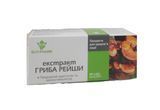
1. Reishi (Ganoderma lucidum). Rich in triterpenoids (ganoderic acids). Studies show its high effectiveness against herpes, influenza, and Epstein-Barr viruses. In addition to its antiviral effect, Reishi calms the nervous system, reduces oxidative stress, and normalizes liver function.
2. Shiitake (Lentinula edodes). Shiitake contains the polysaccharide lentinan. It prevents the reproduction of influenza viruses and adenoviruses in the early stages of infection. Shiitake mycelium extracts accelerate the synthesis of the body's own interferon.
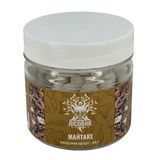
3. Maitake (Grifola frondosa). According to scientific data, the D-fraction of Maitake polysaccharides demonstrates pronounced properties in combating enteroviruses, intestinal infections, and systemic viral lesions, while simultaneously regulating blood sugar levels and metabolic processes.
4. Cordyceps (Cordyceps sinensis). Contains a unique substance — cordycepin. This is one of the most powerful natural remedies for suppressing inflammatory processes of any localization. Cordyceps protects the respiratory system, normalizes renal blood flow, and restores strength after severe, exhausting illnesses.
5. Chaga (Inonotus obliquus). Rich in melanins, organic acids, and beta-glucans. It is indispensable in the treatment of increased intestinal permeability syndrome («leaky gut»), autoimmune thyroiditis, and chronic gastrointestinal inflammations. Since more than 70% of immune cells are concentrated in the gut, healing the mucous membrane with Chaga directly increases the overall antiviral barrier.
6. Highly specialized higher mushrooms
-
Sanhvan (Phellinus linteus): Shows high neutralizing activity against various influenza strains and exhibits powerful oncoprotective properties.
-
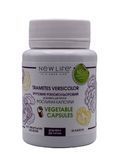
Turkey Tail / Kawaratake (Trametes versicolor): A source of PSK and PSP polysaccharides. Acts specifically against Candida fungi and genitourinary system infections.
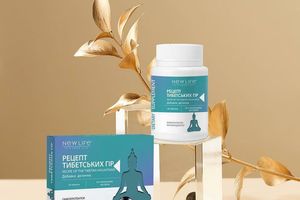
To achieve the maximum therapeutic effect, we advise paying attention to the "Tibetan Mountains Recipe", which combines extracts of three higher mushrooms in a single tablet — Maitake, Shiitake, and Reishi.
PRACTICAL APPLICATION SCHEMES AND DOSAGES OF HIGHER MUSHROOMS
Fungotherapy requires a systematic approach. Dosage depends on the purpose of intake, body weight, and the acuteness of the condition. When it comes to colds, ARVI, etc., we recommend consuming higher mushrooms both for prevention and in the case of illness.
| Intake Regimen | Dosage | Duration of Course |
|---|---|---|
|
Prevention (seasonal support) |
1 capsule 2 times a day | From 1 to 3 months (or a course of up to 1 year) |
| Acute condition (first symptoms of ARVI) | 2 capsules 3–5 times a day | Until symptoms disappear + consolidation after the disappearance of acute symptoms |
| Consolidation and recovery | 2 capsules 3 times a day | 14 days after temperature normalization |
Important rules for an effective course:
-
Maintaining a proper drinking regimen: While taking mushroom extracts, it is necessary to consume a sufficient amount of clean, warm water for the timely elimination of toxins resulting from the breakdown of viral particles.
-
Gradual exit: You should not abruptly stop taking herbal preparations immediately after the temperature drops. Even after symptoms disappear, hidden remnants of the virus may remain in the body, capable of starting to multiply again. A complete consolidation course (10–14 days) gives the immunity time to finally destroy the infection and prevent a prolonged relapse.
-
Compatibility: Dietary supplements based on higher mushrooms are compatible with traditional medications. They reduce the toxic load of pharmaceutical agents on the liver and accelerate recovery. However, it is best to consult a specialist before combining them.
Thus, constant support of cellular resources through antioxidants, microelements, and polysaccharides of higher mushrooms allows the body to independently cope with pathogens even before pronounced symptoms appear. It also helps manage the illness if it has already manifested. In addition, each mushroom has its own unique properties that will help address specific viruses, infections, and other health issues.
Scientific Basis of this Article:
- Study on variation of main ingredients from spores and fruiting bodies of Ganoderma lucidum.
-
Medicinal Mushrooms: Bioactive Compounds, Use, and Clinical Trials.
About the Author:
Vira Norenko is a nutritionist with a medical background, and valeologist with over 10 years of experience. She specializes in integrative nutrition and restoring the body through plant-based supplements and diet.
This article was prepared by a specialist with a medical background for educational purposes. The information provided is not a substitute for professional medical advice.