 The human vascular system is a massive transport network, and the functional state of every organ and tissue depends on its condition. When traffic jams occur in this system—such as venous congestion, decreased vascular wall tone, or impaired capillary exchange—the body reacts with a whole complex of pathological conditions.
In modern nutritiology and integrative medicine, considerable attention is paid to herbal adaptogens and angioprotectors. One of the most powerful yet undeservedly forgotten remedies is restharrow (Ononis spinosa). In this article, Vira Norenko, a nutritionist and valeologist with a medical background, details:
- What are the main medicinal properties of restharrow root extract?
-
How does restharrow help with varicose veins and leg swelling?
-
How does restharrow affect men's health and prostate function?
-
Which herbal supplements and micronutrients are best combined with restharrow for maximum effect?
-
How long should restharrow extract be taken to achieve a lasting result?
HISTORICAL CONTEXT AND ETYMOLOGY: THE POWER OF THE “HARD ROOT”
Restharrow has a centuries-old history of use in European and domestic herbal practice. Since antiquity and the era of monastic medicine, it has been described as an “herb for purifying the body's fluid mediums.” In medieval herbal texts, long before the terms “venous insufficiency” or “varicose veins” appeared, healers noted the plant's ability to relieve “internal heat,” eliminate heaviness in the lower extremities, and clear up congestion in the pelvic area.
The etymology of the plant's names reveals its biological essence:
-
“Restharrow” (Volvchug in Ukrainian): The name stuck due to the spiny stems and the “stubborn,” extremely strong root. The plant possesses a powerful biological strength comparable to the endurance of a wolf. Because of its thorns, restharrow was often planted along the perimeter of plots as a living protective shield.
-
“Stalnyk”: A folk name derived from the word for steel (stal), pointing to its dense, woody, and deep root. In the herbal tradition, it is believed that the part of the plant with the strongest structure contains the maximum concentration of biologically active substances.
BIOCHEMICAL COMPOSITION AND THE EFFECT OF RESTHARROW ON THE HUMAN BODY
Modern medicine views restharrow not just as a folk remedy, but as an object of serious laboratory and clinical research. It has been scientifically proven that Ononis spinosa extract possesses a pronounced ability to inhibit inflammatory mediators. Bioactive substances of restharrow significantly reduced the synthesis of pro-inflammatory cytokines and proteins that trigger the inflammatory response.
IMPORTANT: Chronic inflammation of the vascular wall (endothelial dysfunction) is the root cause of varicose veins, thrombophlebitis, and atherosclerosis. When congestion occurs in blood vessels, cellular metabolism is disrupted, leading to the release of signaling molecules that attract immune cells. This causes swelling, redness, and a local temperature rise. Restharrow reduces the adhesion ("sticking") of immune cells to the vascular endothelium, blocking the chain reaction of inflammation without suppressing overall immunity.
Such a comprehensive effect is ensured by the unique biochemical composition of restharrow. According to research, the highest concentration of beneficial substances is found precisely in the root of the plant, just as our ancestors once assumed. Namely:
-
Isoflavonoids and flavonoids (ononin, formononetin): strengthen the capillary network, reduce vascular permeability and fragility, and improve microcirculation.
-
Tannins: provide an astringent, anti-inflammatory, and antiseptic effect on the vascular wall.
-
Essential oils and triterpene alcohols (onocerin): stimulate the excretory function of the kidneys, promoting the gentle elimination of excess fluid without disrupting the electrolyte balance.
How does restharrow affect various systems of the human body?
System / Body Part |
Pathological Condition / Symptom |
Mechanism of Action of Restharrow |
Clinical Result |
|---|---|---|---|
| Venous system | Varicose veins, venous congestion, swelling | Increasing vein tone, improving blood rheology, drainage | Reduction of swelling, disappearance of heaviness and pain in the legs |
| Arterial vessels | Pressure spikes, hypertension, vascular spasm | Reducing peripheral resistance, restoring wall elasticity | Soft and stable normalization of blood pressure |
| Genitourinary system | Prostatitis, pelvic congestion, adenoma | Improving microcirculation in the prostate, reducing inflammation | Reduction of discomfort, restoration of urodynamics |
| Excretory system | Fluid retention, toxic buildup | Mild diuretic effect, stimulation of lymph outflow | Elimination of swelling, cleansing of internal environments |
DIRECTIONS FOR USING RESTHARROW EXTRACT IN HERBAL THERAPY
The value of restharrow extract lies in the fact that it does not merely temporarily mask symptoms, but gently addresses the very causes of chronic congestive and inflammatory processes in the blood vessels and pelvic organs. Its biologically active components work at the cellular level and improve blood flow.
1. Reducing swelling and supporting veins in varicose conditions
-
What the problem is: Varicose veins and heaviness in the legs occur because vein walls lose their natural tone and stretch. As a result, the internal vascular valves cannot close tightly and properly pump blood upward. Congestion occurs, and fluid seeps into surrounding tissues, causing swelling and cellular oxygen starvation.
-
How restharrow helps: Thanks to flavonoids, the extract strengthens capillaries and reduces vascular wall permeability (less fluid leaks into the tissues). The plant has a natural lymphatic drainage effect—it removes stagnant fluid from tissues, quickly relieving the feeling of heaviness in the legs. Regular intake helps maintain vascular tone and significantly slows down the progression of varicose veins.
2. Gentle stabilization of blood pressure and water balance
-
What the problem is: Blood pressure fluctuations are often associated with small blood vessels being in a state of constant spasm, while the body retains excess salt and water. This creates an additional load on the heart.
-
How restharrow helps: Unlike aggressive chemical medications that sharply "drop" blood pressure, restharrow acts very gently. Its active substances help blood vessels relax naturally. In addition, it stimulates kidney function and eliminates excess water without flushing out vital microelements (such as potassium). This helps maintain stable blood pressure naturally.
3. Relieving congestion and inflammation in the pelvic organs (prostate support)
-
What the problem is: Due to a sedentary lifestyle, men frequently experience prolonged blood stagnation in the pelvis. This leads to chronic oxygen deficiency in the tissues of the prostate gland, causes swelling, hidden (aseptic) inflammation, and can trigger the development of prostatitis or adenoma.
-
How restharrow helps: The extract has a targeted anti-edematous and anti-inflammatory effect specifically on the pelvic region. It improves microcirculation, prevents the formation of microthrombi in the small vessels of the prostate, and blocks substances that trigger the inflammatory process. By reducing the swelling of the gland, urine outflow improves and the normal nutrition of the organ's tissues is restored.
IMPORTANT: Historically, restharrow roots were brewed as decoctions. However, thermal processing and boiling destroy a significant portion of flavonoids and essential compounds. Furthermore, a homemade decoction does not allow for precise dosage standardization.
We recommend paying attention to the modern restharrow extract, which is manufactured using ultrasonic circulatory extraction technology. The special production mode ensures an active substance absorption rate by the body at 90–95%, and the extract contains no alcohol or sugar.
SYNERGISTIC INTAKE SCHEMES: UNLOCKING THE POTENTIAL OF RESTHARROW
Herbal therapy demonstrates the best results with a systemic combination of plant components, where each extract enhances the action of another (the synergy principle).
Health Improvement Direction |
Base Component |
Associated Herbal Extracts and Nutrients |
Expected Effect |
|---|---|---|---|
| Vein and capillary health | Restharrow Extract | «Venoflor» phytocomplex, Ginkgo biloba extract, Omega-3 | Strengthening the vascular wall, prevention of thrombosis, elimination of swelling |
| Blood pressure normalization (hypertension) | Restharrow Extract |
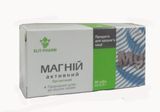
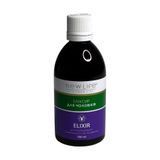
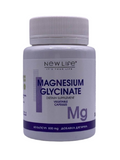
Hawthorn extract, Valerian, Heart Elixir, Magnesium, Omega-3 |
Relieving vascular spasm, improving heart rhythm, normalizing tone |
| Men's health (prostate, potency) | Restharrow Extract | Men's Elixir, Zinc, Selenium, Omega-3 | Eliminating pelvic congestion, relieving prostate inflammation, restoring vitality |
WHY NUTRIENTS ARE MANDATORY IN THE SCHEMES:
Omega-3 fatty acids: restore the lipid layer of vascular endothelial cell membranes, improve blood rheology (flowability), and prevent the formation of cholesterol plaques.
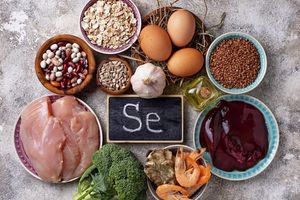
Zinc and Selenium: key microelements for the male body. More than 90% of zinc in the male body is concentrated in the tissues of the prostate gland. Its deficiency against the background of venous congestion is the main trigger for the development of adenoma.
For prevention and in complex rehabilitation programs, restharrow extract is recommended to be taken for 1–2 months according to the following scheme:
-
Dosage: 10–15 drops per 50–100 ml of warm clean water.
-
Frequency of intake: 2–3 times a day 30 minutes before meals or an hour after a meal.
-
Symptomatic intake: In case of a sudden increase in blood pressure or severe heaviness in the legs, a single intake of an expanded dose (20 drops) is possible.
To achieve a lasting result, it is necessary to maintain a proper drinking regimen (at least 30 ml of water per 1 kg of body weight) and maintain daily physical activity to stimulate the muscle-venous pump.
Thus, the health of the vascular system cannot be restored in one day. The use of restharrow extract is a logical, safe, and scientifically grounded step toward restoring blood circulation, getting rid of swelling, and preserving active longevity.
Scientific Basis of this Article:
About the Author:
Vira Norenko is a nutritionist with a medical background, and valeologist with over 10 years of experience. She specializes in integrative nutrition and restoring the body through plant-based supplements and diet.
This article was prepared by a specialist with a medical background for educational purposes. The information provided is not a substitute for professional medical advice.