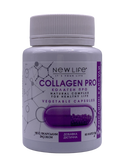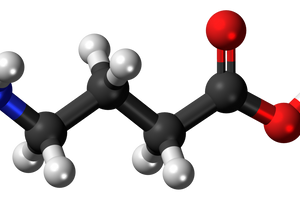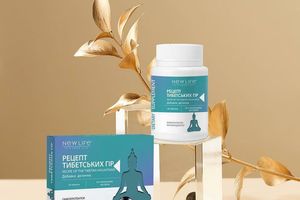
 In pursuit of youth and ease of movement, we often look for magic supplements while forgetting about fundamental physiological processes. Collagen is not just a trendy component from cosmetics commercials, but the main structural protein of our body. It maintains the framework of the dermis, the strength of tendons, the elasticity of blood vessels, and the integrity of cartilage tissue.
Often, beauty and orthopedic health are viewed separately, yet there is a direct biochemical connection between them. Understanding how the body synthesizes and loses its internal protein framework allows us to take a conscious approach to preventing premature aging and degenerative joint changes. In this article, nutritionist with a medical background Vira Norenko details:
- What is collagen and why does the human body need it?
-
What is the difference between types 1 and 2 collagen, and which one do you actually need?
-
What substances are essential for the body's synthesis of its own collagen?
-
Why might the results on the skin be unnoticeable after a long-term intake of collagen supplements?
BIOCHEMISTRY OF COLLAGEN: WHY IT IS THE FOUNDATION OF CONNECTIVE TISSUE AND WHY THE BODY NEEDS IT
Collagen is a fibrillar protein that serves as the basis of our body's connective tissue, providing its strength, elasticity, and ability to withstand stretching. As the most abundant protein in the human body, it acts as a "framework" that unites organs into a single whole, protects tissues from deformation, and ensures their structural integrity.
According to research, collagen is distributed throughout the body, but it has the greatest impact on the following systems and structures:
-
Skin, hair, and nails (the aesthetic framework): In the skin dermis, collagen forms a powerful network together with elastin, which is responsible for firmness, density, an even relief, and hydration. A decrease in collagen leads to wrinkles, dryness, and flacidity. It also ensures the strength of the nail plate and the structure of hair follicles.
-
Joints, cartilage, and ligaments (mobility and cushioning): Collagen (specifically type II) is part of the hyaline cartilage that covers joint surfaces. It ensures smooth joint gliding during movement, reduces friction, and acts as a shock absorber under loads, preventing the destruction of bone tissue.
-
Bones and the musculoskeletal system: Although bones are associated with hardness due to minerals (calcium and phosphorus), their organic matrix consists of 90% collagen. It creates a flexible "reinforcement" that prevents bones from becoming excessively brittle.
-
Vascular walls and the cardiovascular system: Blood vessels (especially arteries) contain a large amount of collagen and elastin. They provide strength while maintaining the elasticity of the vascular wall, allowing it to adapt to pressure drops and ensure normal blood circulation.
-
Muscles and fascia: Collagen fibers form sheaths around muscle fibers (fascia), transmitting force from muscles to bones and keeping the muscular framework toned.
-
Gastrointestinal tract: The connective tissue of the intestinal walls also contains collagen, which supports its structural integrity, barrier function, and the healthy condition of mucous membranes.
IMPORTANT: Collagen accounts for about one-third of the total protein mass in the human body. Its uniqueness lies in its structural organization: it is a triple helix of three protein chains enriched with the amino acids glycine, proline, and hydroxyproline. The organization of collagen fibers can be compared to a strong braided rope — individual threads are easy to break, but their interlacing is capable of withstanding colossal mechanical loads.
Along with collagen, which creates the framework (similar to springs in a mattress), elastin (responsible for returning tissues to their original shape after stretching) and hyaluronic acid (holding water molecules to provide volume and hydration) work within the connective tissue matrix.
Science has described around 28 types of collagen, but two key types play the primary functional role:
-
Type I Collagen: Makes up to 90% of all collagen in the body. It forms the dermal layer of the skin, tendons, bones, and vascular walls.
-
Type II Collagen: Localized mainly in hyaline cartilage, providing shock-absorbing properties to joints and smooth movement of joint surfaces.
Parameter |
Type I Collagen |
Type II Collagen |
|---|---|---|
| Primary Localization | Skin, tendons, bones, fascia, blood vessels | Cartilage tissue, intervertebral discs |
| Functional Purpose | Providing strength, skin tone | Shock absorption, cartilage elasticity |
| Source in Nutraceuticals | Marine collagen (from fish), bovine collagen | Cartilage tissue of poultry / cattle |
IMPORTANT: Marine collagen (fish peptides) has a lower molecular weight compared to bovine collagen, making it absorb faster and with higher bioavailability (up to 1.5–2 times). That is why marine collagen is more frequently chosen for aesthetic purposes, such as skin firmness and facial care.
MAIN "THIEVES" OF COLLAGEN: WHY WE LOSE FIRMNESS
According to research, natural collagen synthesis in the body indeed gradually slows down after the age of 30 (by about 1–1.5% each year), though the rate and extent of this loss are highly individual. If a person maintains a balanced diet with a sufficient amount of complete protein and minimizes the factors that suppress collagen synthesis, their body is capable of independently supporting an adequate level of its own protein.
What reduces collagen production?
-
Photoaging and Ultraviolet Radiation: Excessive solar radiation activates matrix metalloproteinase enzymes, which break down collagen and elastin fibers in the dermis. To protect this structural protein, using broad-spectrum SPF30+ products is a mandatory daily habit not only on the beach, but also during city walks.
-
Glycation: The Destructive Impact of Sugar: Consistently elevated blood glucose levels cause glycation — a spontaneous binding of sugars to proteins (the Maillard reaction). The resulting advanced glycation end-products (AGEs) render collagen fibers stiff, brittle, and unable to retain moisture. Limiting refined carbohydrates in your diet directly preserves the youthfulness of connective tissue.
-
Smoking and Oxidative Stress: Toxic compounds in tobacco smoke stimulate the formation of free radicals, impair microcirculation in tissues, and lower antioxidant levels, leading to premature loss of skin tone and deteriorating cartilage nutrition.
-
Age-Related and Hormonal Changes: The decline in estrogen levels in women during menopause is accompanied by a sharp decrease in the rate of collagen renewal. It is during this period that skin can rapidly lose density, and joints may experience a shortage of natural lubrication.
Thus, the age of 30 is rather a conditional reference point to pay close attention to your lifestyle, diet, and the condition of your connective tissue, rather than an automatic prompt to start taking bottled collagen supplements.
NUTRACEUTICAL STRATEGY: ENDOGENOUS SYNTHESIS AND SUPPLEMENT SUPPORT
For the body to be able to build its own collagen rope, it needs a complete protein substrate and synthesis cofactors.
-
Adequate dietary protein level: The baseline requirement is at least 0.8–1.2 g of protein per 1 kg of body weight daily. Sources of amino acids include meat, fish, eggs, dairy products, as well as legumes (beans, lentils). The main rule is regular protein intake throughout the day rather than chaotic overeating.
-
Vitamin C as the main cofactor: Without L-ascorbic acid, the enzymes prolyl and lysyl hydroxylase are unable to complete the formation of a stable collagen triple helix. A deep deficiency of vitamin C leads to scurvy — a condition where fibers break down, causing bleeding gums and poor wound healing. Peppers, cabbage, kiwi, citrus fruits, and black currants should be in your daily diet alongside protein foods.
-
Zinc and copper: These trace elements participate in the activity of the enzyme lysyl oxidase, which is responsible for forming cross-links between collagen and elastin fibers. Copper and zinc can be obtained from seeds, nuts, seafood, or as part of balanced supplements.
-
Physical activity and dosed mechanical impact: Tendons, cartilage, and bones are avascular or poorly vascularized tissues. They receive nutrition through diffusion during mechanical compression and decompression. Dosed walking, bodyweight exercises, lymphatic drainage and anti-cellulite massages, or contrast procedures improve microcirculation and stimulate fibroblasts to produce a new matrix.
IMPORTANT: There is a common myth that daily consumption of bone broth (holodets) or gelatin fully satisfies the need for collagen. However, there is a significant biochemical difference between food gelatin and modern nutraceuticals. Unlike whole protein from bone broth, which has a high molecular weight and is difficult to break down in the digestive tract, hydrolyzed collagen undergoes enzymatic cleavage into short peptide chains and free amino acids. They possess high bioavailability and are easily absorbed in the small intestine.
Additionally, bone broth contains a large amount of saturated fats, salt, and purine bases, which is contraindicated for people with water-salt metabolism disorders, hyperuricemia, or gout.
Taking additional sources of collagen is advisable in the following cases:
-
Prevention and aesthetic skin care: To improve dermal hydration and elasticity.
-
Increased sports loads: To accelerate the regeneration of ligaments and tendons after workouts.
-
Comprehensive support for joint discomfort: As an auxiliary component after removing the acute inflammatory phase (e.g., in osteoarthritis).
It should be remembered: an ingested capsule or powder of collagen is not directed by the body purely "into a wrinkle" or "into a knee." The body distributes it primarily where there is the greatest internal deficit — into vascular walls, fascia, or internal organs. To achieve a noticeable effect, a course intake lasting from 8 to 12 weeks is required.
For optimal body support, we recommend paying attention to supplements with high bioavailability, as well as peptide-based skincare cosmetics that help synthesize your own collagen.
Product |
Main Action |
What It Contains? |
|---|---|---|
| Support for joints, cartilage, bones, as well as skin, hair, and nail care | Type I marine collagen, vitamin C, and flower pollen | |
| Beauty Pro | Activation of natural collagen and keratin synthesis, energy boost, and protection against age-related changes | Collagen and hyaluronic acid complex enriched with vitamins, minerals, and biotin |
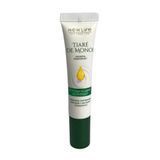
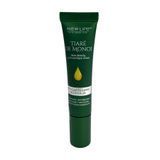
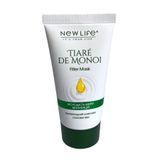
| "TIARÉ DE MONOI" Peptide Line | Comprehensive anti-age care, deep hydration, lifting, and stimulation of endogenous collagen | Next-generation powerful peptide complexes, copper ions, and natural plant extracts |
Thus, skin youth and musculoskeletal health are not the result of chance, but systematic daily work. The combination of a full-fledged diet, UV protection, sugar level control, and physical activity in synergy with high-quality nutraceuticals and peptide complexes makes it possible to reliably support endogenous collagen synthesis, preserve joint mobility, and ensure active longevity without unnecessary compromises.
Scientific Basis of this Article:
About the Author:
Vira Norenko is a nutritionist with a medical background, and valeologist with over 10 years of experience. She specializes in integrative nutrition and restoring the body through plant-based supplements and diet.
This article was prepared by a specialist with a medical background for educational purposes. The information provided is not a substitute for professional medical advice.