
The human body is a single, interconnected biochemical system. Up until our 30s or 40s, we often neglect the principles of a healthy lifestyle; however, after 50, we are forced to reap what we have sown.
To extend our period of active longevity and prevent the development of chronic conditions, it is essential to care for the body’s "internal ecology" every day. And the gallbladder plays one of the leading roles in this process. In this article, Vira Norenko — a certified health expert, nutritionist with a medical background — covers the following key aspects:
- What is the role of bile in our body?
-
What are the early symptoms of bile stasis and biliary dyskinesia?
-
How does bile stasis affect hormonal balance and estrogen levels?
-
Is it necessary to take cholagogues and bitters if the gallbladder has already been removed?
-
How are the gallbladder meridian, headaches, and joint pain connected?
-
Are vitamins A, D, E, and K absorbed when bile secretion is impaired?
-
Which herbal remedies and plant bitters are most effective for thinning bile?
THE BIOCHEMICAL ROLE OF BILE: MORE THAN JUST DIGESTION
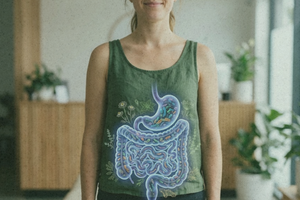
It is commonly assumed that the gallbladder merely stores the bile produced by the liver. However, its key value lies in the timeliness, rhythm, and quality (rheology) of releasing this concentrated biochemical fluid. Bile is a complex biological secretion. According to research, it performs a number of critically important functions in our body:
-
Emulsification and breakdown of fats: Without proper processing by bile acids, dietary fats cannot be fully broken down and absorbed.
-
Activation of pancreatic enzymes: Bile neutralizes acidic stomach contents and triggers the action of pancreatic enzymes.
-
Absorption of fat-soluble vitamins: Vitamins A, D, E, and K are absorbed exclusively when bile secretion is functioning properly. Even the most expensive vitamin supplements will offer no benefit if you suffer from dyskinesia or bile stasis.
-
Elimination of toxins and cholesterol: Bile removes heavy metals, excess cholesterol, and metabolized steroid hormones from the body.
-
Regulation of the gut microbiome: Bile acids possess powerful bactericidal properties. They inhibit the growth of pathogenic flora and prevent Small Intestinal Bacterial Overgrowth (SIBO).
Thus, bile is the primary tool for maintaining the body's internal ecology. Any disruption in its outflow triggers a chain reaction of pathological changes throughout the entire body.
THE DOMINO EFFECT: CONSEQUENCES OF BILE STASIS FOR THE ENTIRE BODY
When bile becomes thick or stasis (cholestasis) occurs, a so-called "domino effect" takes place — the collapse of a single link disrupts whole organ systems. According to researchers, the consequences are as follows:
-
Digestive tract: Heaviness after meals, bloating, nausea, and flatulence appear even when consuming moderately fatty foods.
-
Skin condition: Toxic compounds that should have left the body through the bile ducts are redirected to the dermis. This leads to acne, allergic dermatitis, pigmentation, a dull earthy complexion, as well as flare-ups of psoriasis or neurodermatitis. In professional settings, a characteristic earthy-yellow skin tone immediately signals chronic stasis in the liver and gallbladder.
-
Hormonal imbalance: Bile is involved in estrogen metabolism. Stasis causes estrogen dominance — a condition manifested by hormonal disruptions in women and adolescents. For instance, due to consuming meat raised with growth stimulants, teenagers face an additional hormonal load that an overburdened liver cannot process.
-
Chronic fatigue and lack of energy: Impaired digestion prevents the body from receiving the required amount of macro- and micronutrients. A person feels hungry and consumes more calories, which accumulate as fat deposits, while their internal "battery" remains drained.
-
Joint pain and constipation: Since bile stimulates bowel motility, its deficiency leads to chronic constipation. Accumulated toxins and systemic inflammation provoke damage to joint tissues.
EARLY DIAGNOSTICS: SYMPTOMS TO PAY ATTENTION TO
Stasis develops gradually. By paying close attention to your body's signals, the issue can be resolved at an early stage. Key indicators for early detection of dyskinesia and cholestasis include:
-
Morning bitterness in the mouth: Occurs due to evening bile stasis and its reflux into the stomach and esophagus.
-
Heaviness and discomfort in the right upper quadrant: Especially noticeable after consuming fatty, fried, or spicy foods.
-
Digestive disorders: Abdominal bloating, nausea, flatulence, and irregular bowel movements (specifically a tendency toward chronic constipation).
-
Skin condition changes: An earthy or yellowish complexion, age spots, acne, dermatitis, and breakouts.
-
Psycho-emotional signals: Unexplained irritability, angry outbursts, chronic fatigue, and a lack of energy due to toxic overload.
IMPORTANT: It is not uncommon for gallbladder spasm pain to radiate to the left side of the chest — the area of the heart and pancreas. People often mistakenly take heart medications that offer no relief, whereas the real cause lies in a spasm of the biliary tract.
HERBAL THERAPY FOR BILE OUTFLOW: THE POWER OF PLANT BITTERS
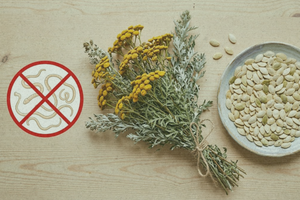
Phytotherapy is one of the oldest and most physiological ways to normalize the function of the biliary system. Natural bitters serve as the main tool here. As research shows, taste receptors on the tongue, reacting to a bitter taste, reflexively trigger the secretion and release of bile.
Key cholagogic plants:
-
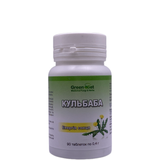
Milk Thistle: A powerful hepatoprotector that protects liver cells and improves the quality of bile.
-
Artichoke: Stimulates lipid metabolism, lowers cholesterol levels, and exerts a pronounced choleretic effect.
-
Helichrysum (Everlasting) and Corn Silk: Eliminate stasis, thin the bile, and prevent the formation of sand.
-
Dandelion and Yarrow: Improve digestion, relieve mild inflammation, and stimulate enzymatic activity.
-
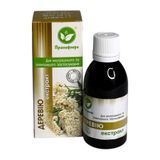
Agrimony (Agrimonia eupatoria): A unique plant that thins bile remarkably well, gently relieves inflammation, and is essential for preventing stasis in the bile ducts.
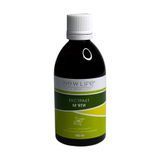
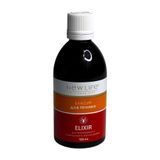
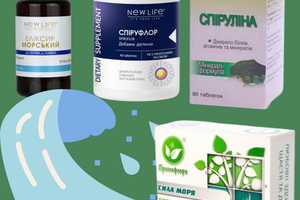
We also recommend considering complex formulas, such as "Elixir for the Liver" and "Hepatoflor".
Synergy with Anti-Stress Remedies: Spasms of the gallbladder are often caused not only by dietary mistakes but also by chronic stress. Psycho-emotional tension causes the sphincters to constrict. In such cases, taking bitters alone can cause discomfort, so they must be combined with herbal antispasmodics and sedatives:
-
Complex formulas such as "Elixir for the Nervous System" and "Sedaformula".
POST-CHOLECYSTECTOMY CARE (AFTER GALLBLADDER REMOVAL)
A common misconception among patients who have undergone gallbladder removal surgery (cholecystectomy) is that once the operation is complete, the problem is solved and choleretic therapy is no longer needed.
IMPORTANT: Removing the organ does not eliminate the systemic root causes that led to stone formation or stasis. The liver continues to produce thick bile, which now stagnates directly inside the bile ducts.
In the absence of a reservoir, thick bile can trigger inflammatory processes in the ducts and pancreas. Individuals after a cholecystectomy must:
-
Maintain a proper hydration regimen (drinking warm water).
-
Take mild plant bitters before meals (e.g., "Agrimony Extract", "Artichoke Extract") to improve bile rheology (fluidity).
-
Eat on a regular schedule to prevent intestinal mucosa irritation caused by continuous dripping of bile.
GALLSTONES: CAN THEY BE TREATED WITHOUT SURGERY?
Gallstone disease is a "time bomb". The movement of stones can trigger duct blockage. However, when sand or small stones are detected (provided normal bile passage is maintained), there is positive practical experience with long-term wellness protocols. To gently soften and gradually eliminate small mineral deposits, combined regimens are used over several months:
-
"Betulin", "Artichoke Extract", and "Elixir for the Kidneys" (since kidney and biliary herbal formulas harmoniously complement each other in mineral metabolism);
-
"Motherwort Extract" as an antispasmodic to prevent biliary colic.
IMPORTANT: Any protocol in the presence of gallstones must be agreed upon with a specialist and monitored via ultrasound. Surgical removal is a last resort, as the organ plays an indispensable role in the body.
PSYCHOSOMATICS AND THE GALLBLADDER MERIDIAN IN EASTERN MEDICINE
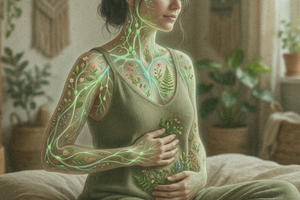
The channel (meridian) of the gallbladder is one of the longest in the human body. It begins at the head (temples), passes through the neck, the lateral side of the torso, hips, and ends at the little toe.
In traditional Eastern medicine, the gallbladder is called the "primary gland of health". It is believed that this organ is responsible not only for the physiological state of digestion, but also for character traits.
Modern research confirms that the gut and digestive system are closely connected to the nervous system ("the second brain"). A person with chronic cholestasis often tends to procrastinate, accumulates internal anger, irritability, and experiences constant psycho-emotional strain. Stasis in the body always provokes stasis in life. Gallbladder dysfunction can manifest as temporal headaches, neck discomfort, hip joint pain, and even increased sensitivity in the little toes.
Practical methods for activating the meridian:
-
Morning tapping: During a lymphatic drainage workout, it is beneficial to gently tap the lateral lines of the torso, hips, and temple area to stimulate the flow of energy and lymph.
-
Proper footwear: Tight shoes that pinch the little toe and deform the foot negatively affect the meridian's active points. It is recommended to choose anatomical or "barefoot" shoes with a triangular shape that ensures a natural position for the toes.
-
Circadian rhythms: The peak of the gallbladder's biological activity falls between 11:00 PM and 1:00 AM. During this time, the organ actively recovers. It is extremely important to sleep during this timeframe and refrain from late-night eating.
WHAT THE GALLBLADDER LOVES: DAILY HEALTHY HABITS
To support the health of the biliary system, we recommend adhering to simple yet regular rules:
-
Warm water in the morning: A glass of warm (or moderately hot) water immediately after waking up triggers bile outflow and prepares the digestive tract for breakfast.
-
Food temperature: The gallbladder dislikes cold food and drinks, which cause sphincter spasms. Meals should be warm.
-
Bitter green foods in the diet: Include arugula, leafy greens, and fresh herbs in your daily menu. If you dislike greens, be sure to compensate by taking liquid herbal extracts.
-
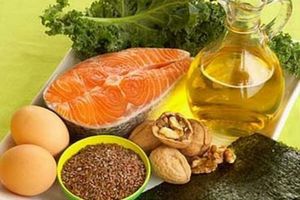
Healthy fats: Small portions of quality fats (olive oil, a few slices of high-quality lard) stimulate timely gallbladder contraction.
-
Eating rhythm: Avoid chaotic snacking or unstructured prolonged fasting. If you choose intermittent fasting, the transition must be gradual and systematic.
-
Course-based herbal therapy: Alternate hepatoprotectors monthly (for example: 1st month — Milk Thistle, 2nd month — Artichoke, 3rd month — Agrimony).
Scientific Basis of this Article:
About the Author:
Vira Norenko is a nutritionist with a medical background, and valeologist with over 10 years of experience. She specializes in integrative nutrition and restoring the body through plant-based supplements and diet.
This article was prepared by a specialist with a medical background for educational purposes. The information provided is not a substitute for professional medical advice.